
This post may contain affiliate links, meaning we might make a small commission off any purchases at no additional cost to you.
 3
 0
Why Charleston?
As history nerds first and foremost, @nerddriver and I like to learn about the past wherever we go. Knowing Charleston’s history as one of the first European settlements in today’s United States, and especially with its significance during the Civil War, we thought there would be plenty of history to explore between bouts of relaxing at the seaside.
And we were not disappointed. While Charleston today is being gentrified and commercialized, city laws require developers to preserve its historic character.
One surprising discovery for us was how determined Charlestonians are to refocus attention on their glorious Revolutionary history, rather than their more ignoble role as the first state to secede from the Union and the place where the Civil War began.
Getting There
We booked flights for Thursday evening through JetBlue’s credit card portal, which earned us 1 free checked-in bag per ticket. This was fortunate because with all of Charleston’s southern hospitality, we were doubtful whether anyone would have potato kigel for us for Shabbos. The kosher food selection in Charleston is complicated, so rather than counting on ordering food in advance (we are not THAT organized) or risking the pre-packaged food from Chabad at Hyman’s Seafood, we packed (frozen) ch”y milk, homemade Shabbos food, a mini Betty Crocker, mini ice-pack cooler, sunscreen, and all our assorted essential paraphenelia, and off we went.
(Or rather, after sitting on the tarmac for an hour past departure time, off we finally went.)
The Iris
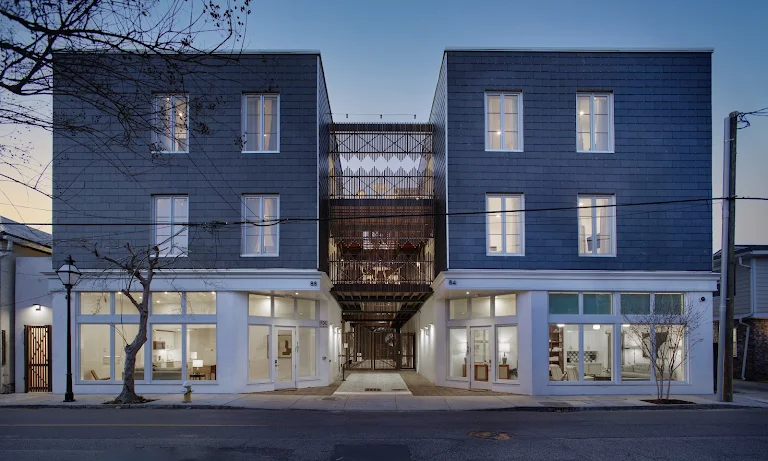
We selected a hotel through Capital One’s travel portal and got really lucky at The Iris. From the pictures it seemed like a cute Airbnb, and indeed, it was set up more like a studio apartment than the classic hotel room. There is outdoor seating outside each room that adds a cute sidewalk cafe vibe.
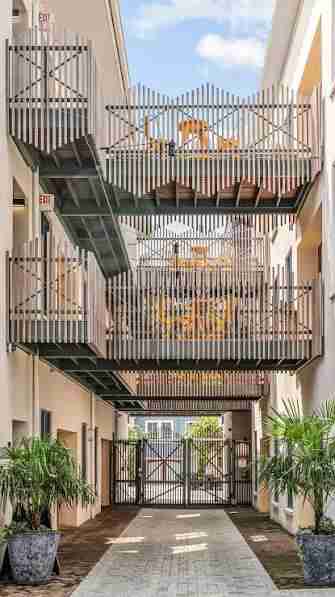
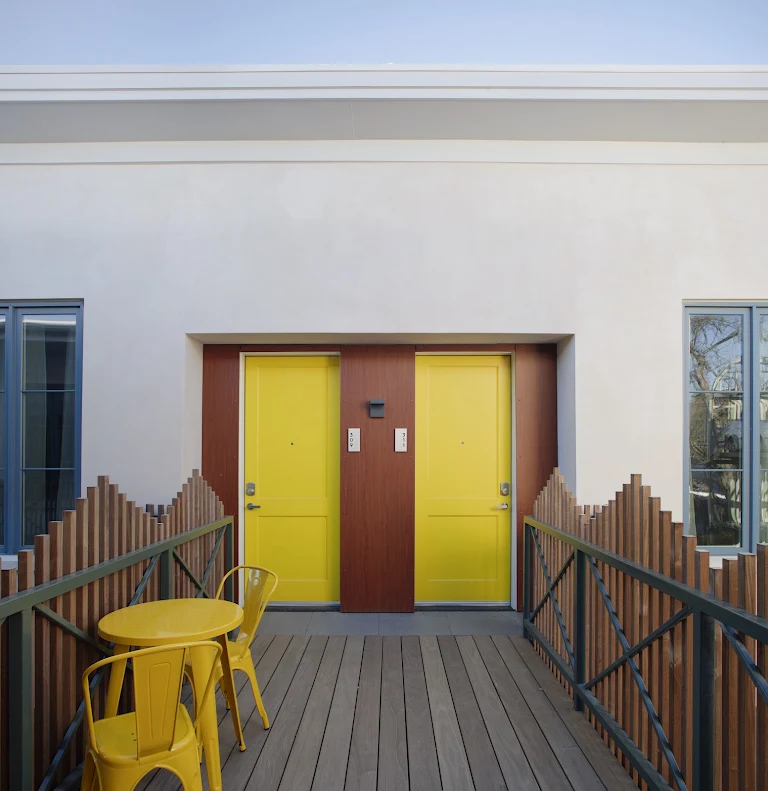
Not only was the place cheerfully decorated, but it had many conveniences essential for a kosher traveler, like a full-size fridge and freezer and a full-size trash can. (We can’t be the only frum travelers who get frustrated by the tiny buckets that pass for trash cans in most chain hotels!)
The sitting and dining area are in one part of the suite, while the sleeping area is curtained off to allow for a good night’s rest. The kitchen area, with its multiple cabinets, plenty of outlets, and ample counter space is past that, and then there is a generously sized bathroom with a ring light mirror.


We immediately saw that we would need to sort out the electronic issue for Shabbos, because all entry points required punching an electronic keypad. Although there were stairs down to the ground floor, all exit points required hand-waving at the electronic sensor. We first solved our room keypad issue by covering the doorway with a doorway magnet (very useful for Shabbos travel!), but this turned out to be unnecessary as they graciously gave us a physical key to use. They also helped us find a non-electrical door that we could use for exiting and entering the property. (@nerddriver quipped that Shabbos travelers would make good security testers. Every hotel should hire one of us.)
Itinerary
Thursday night we went out exploring the neighborhood. There wasn’t much to see in our part of town, so we called it a night.
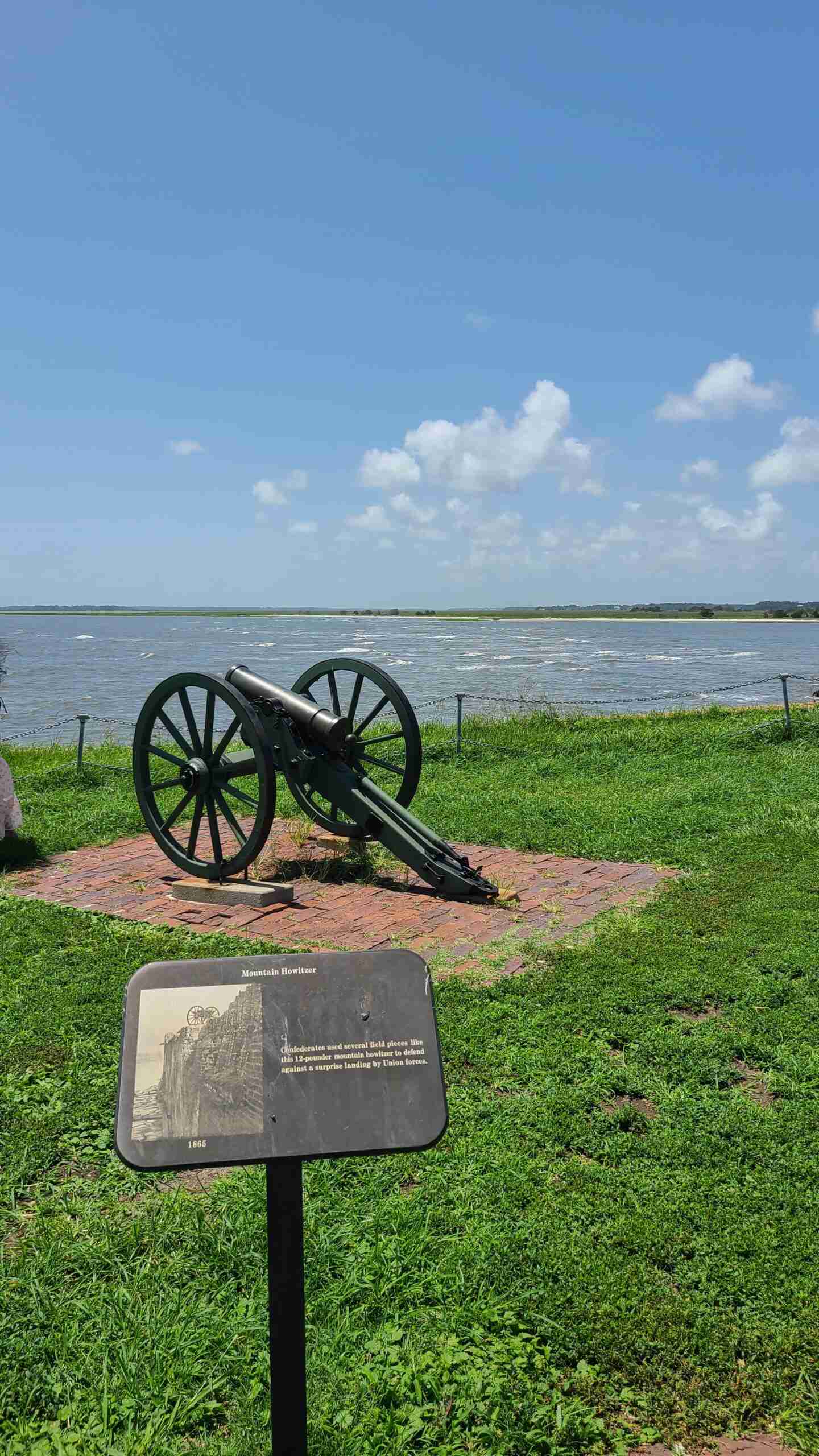
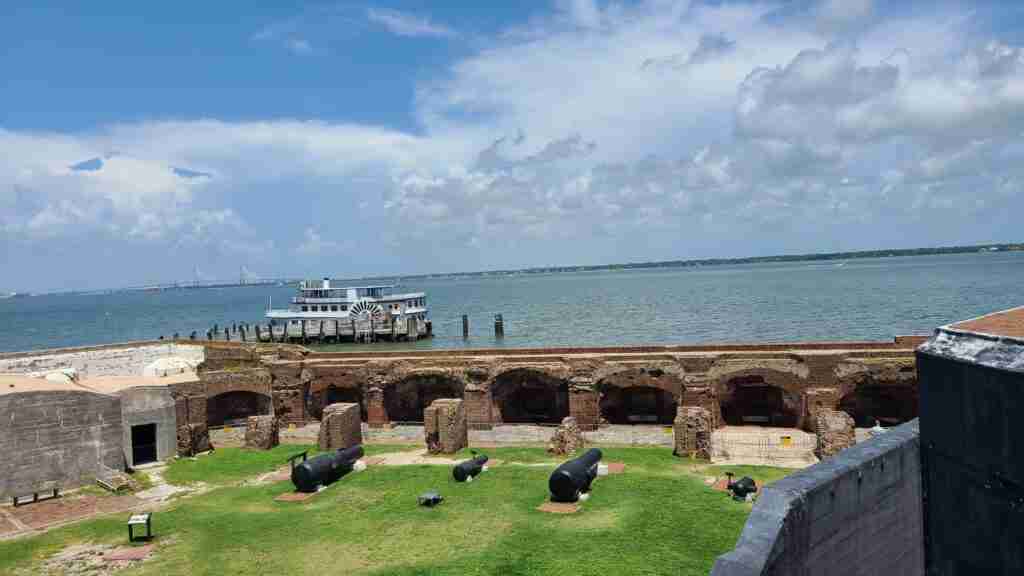
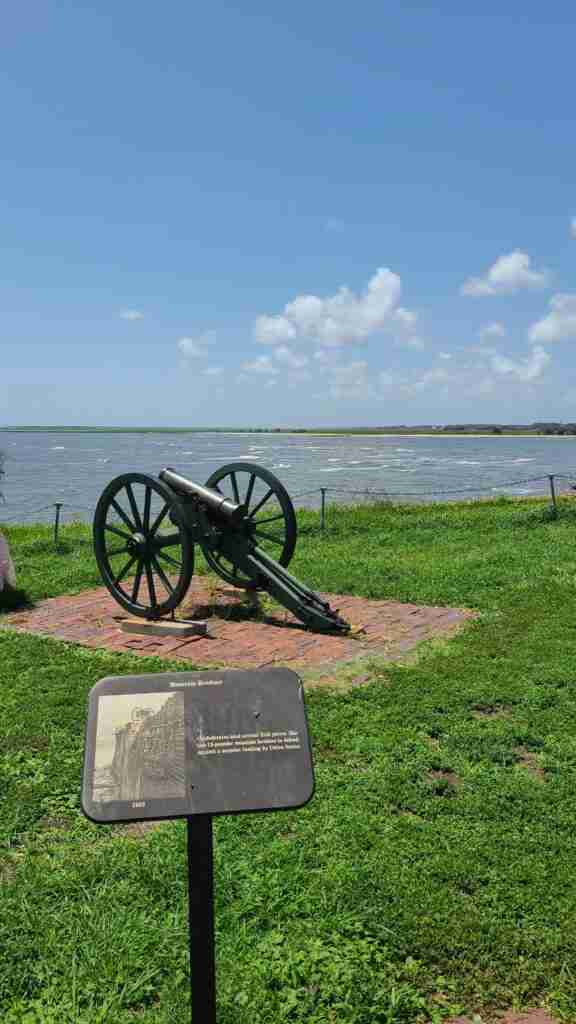
For Friday, we had booked a ferry ride to Ft. Sumter, the place where the Civil War started. Today the site is operated as a National Park, and a ranger entertained us on the ferry ride with background history about Ft Sumter and the island it was built on. The fort was originally built after the War of 1812 when the US realized how vulnerable its coast was to foreign attack, but ironically, its first battle was against our very own rebels. The place was reduced to rubble through the fighting, but there are still some interesting things to see, such as Civil War canons and a museum, thankfully air-conditioned. The trip took just over 2 hours in total.
We spent the rest of the afternoon catching some sun at the small hotel pool and then preparing for Shabbos.
For Mincha and kabulas Shabbos we went to BSBI, the local Orthodox shul. We wandered around the campus a bit until someone opened the door of the correct building. We probably should’ve contacted someone at the shul before Shabbos.
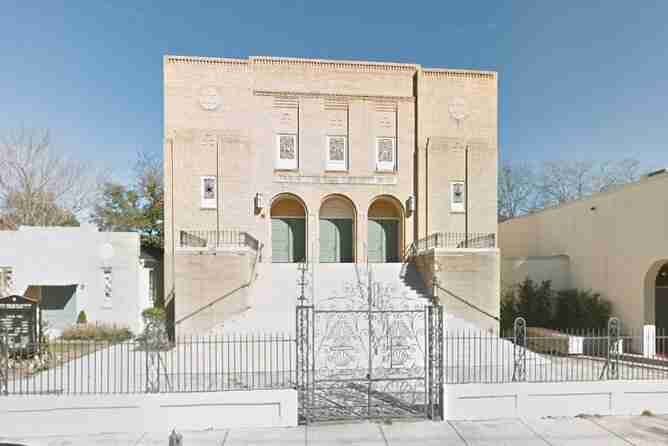
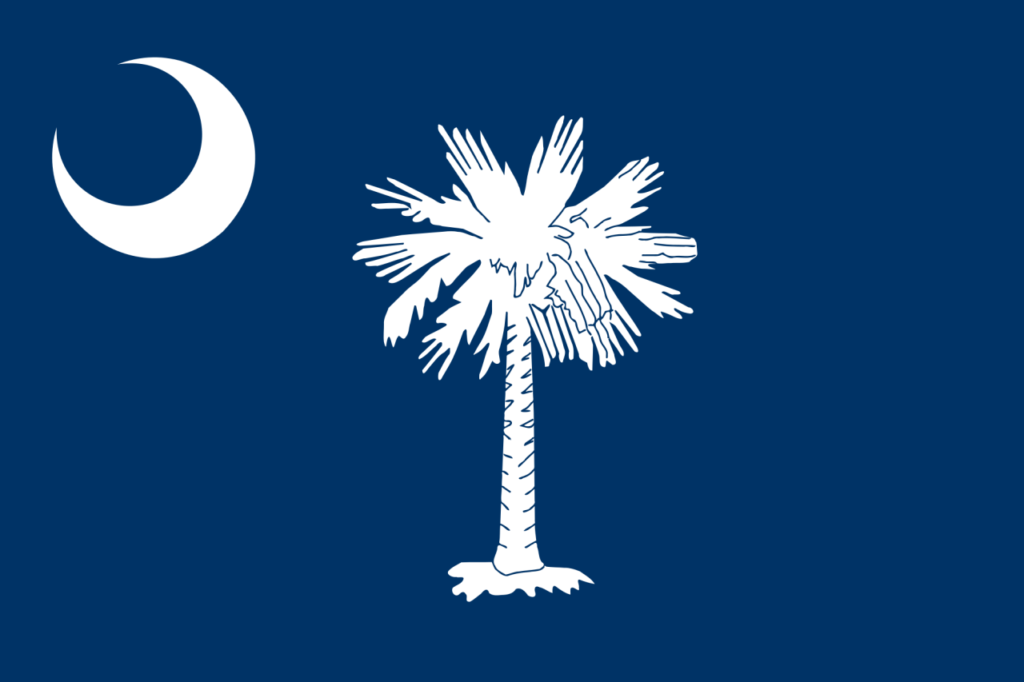
After davening we were approached by a sweet local lady who invited us to her home for the Friday night meal. We accepted the southern hospitality for the adventure of it and to meet local yidden, including some college students and several colorful Charlestonians Jews, but we only stayed for a short while as we wanted to get back while staff members were still available at our hotel in case we needed their help getting into our room. On our way, she taught us the difference between palm trees and palmetto trees, the latter being the official state tree of South Carolina and very important to its history.
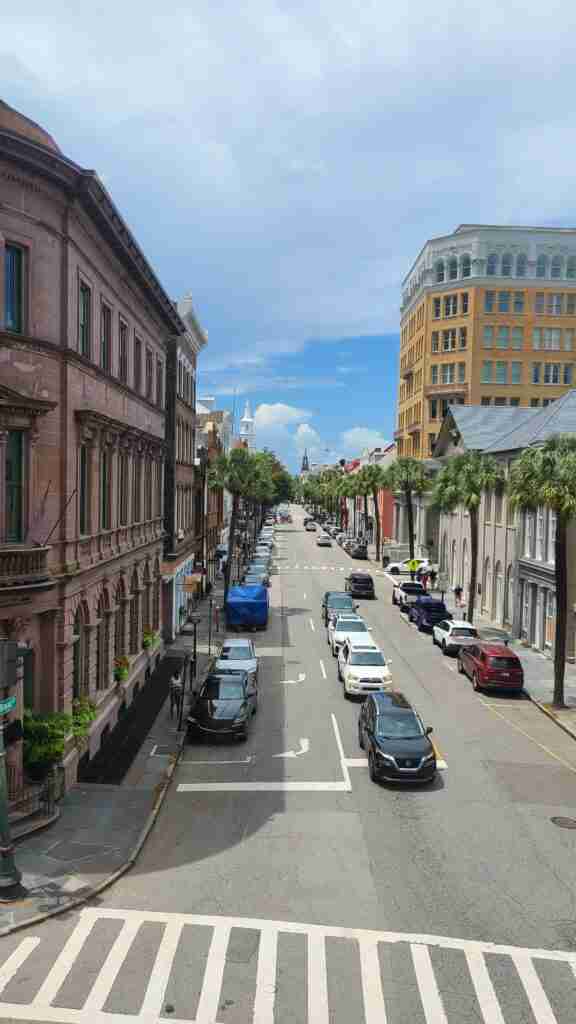
We caught shachris Shabbos morning at BSBI and shmoozed with the locals at the kidush. After our meal back at the hotel, we walked around the neighborhood. We headed to The Museum of Charleston, where we had purchased tickets before Shabbos. They had combo tickets available for some of the historic houses, but some of those were out of the eruv. We chose to leave time for an afternoon nap.
The museum was bigger than I expected and quite well done. They had some interesting artifacts in surprisingly good condition, as well as a special display celebrating America’s 250th year. We got our first glimpse of how Charleston is attempting to refocus attention on their revolutionary history rather than their more complicated Civil War one.
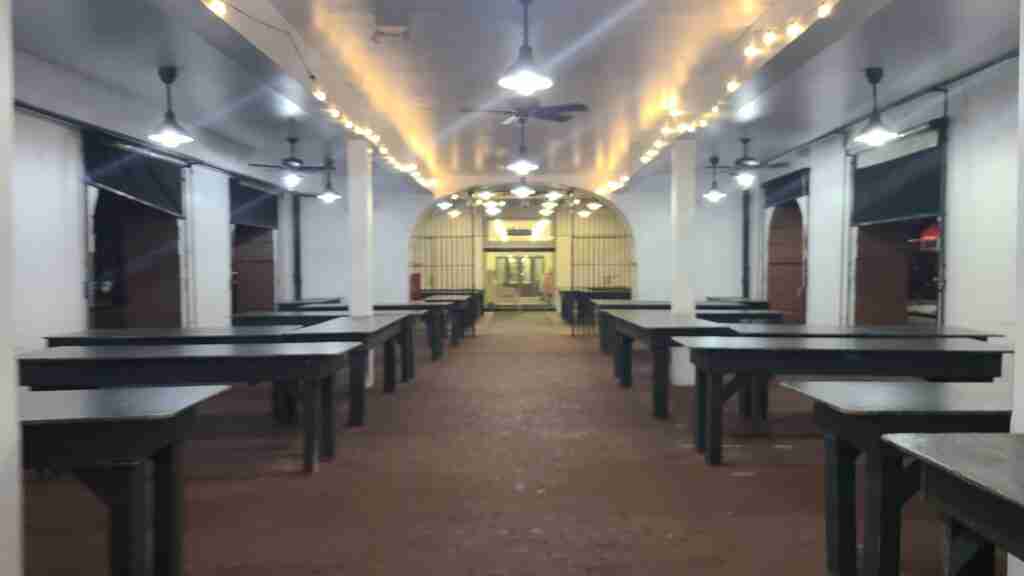
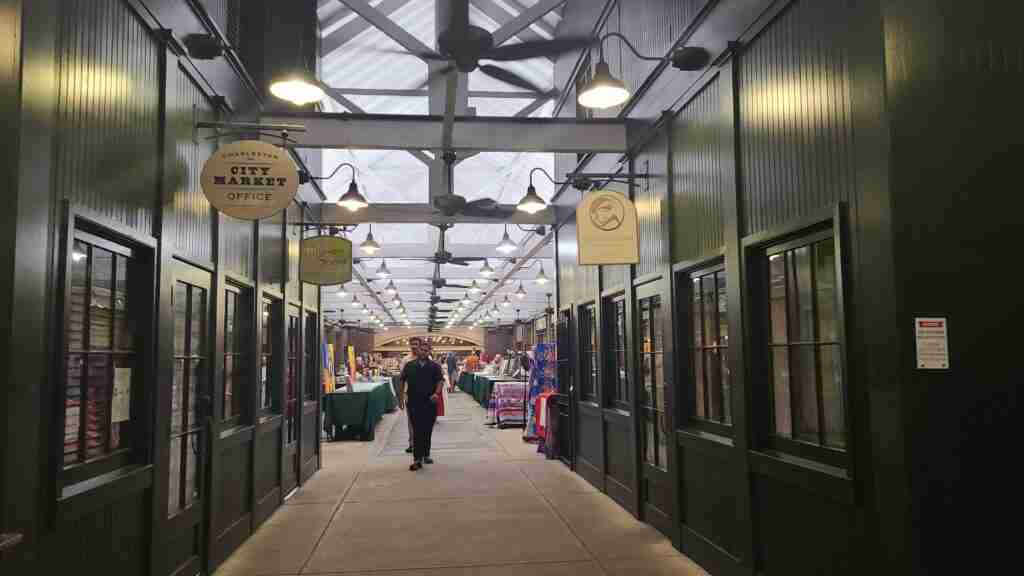
Motzei Shabbos we took an Uber to the Night Market, but with Shabbos ending so late, we got there just in time to see vendors packing up for the night.
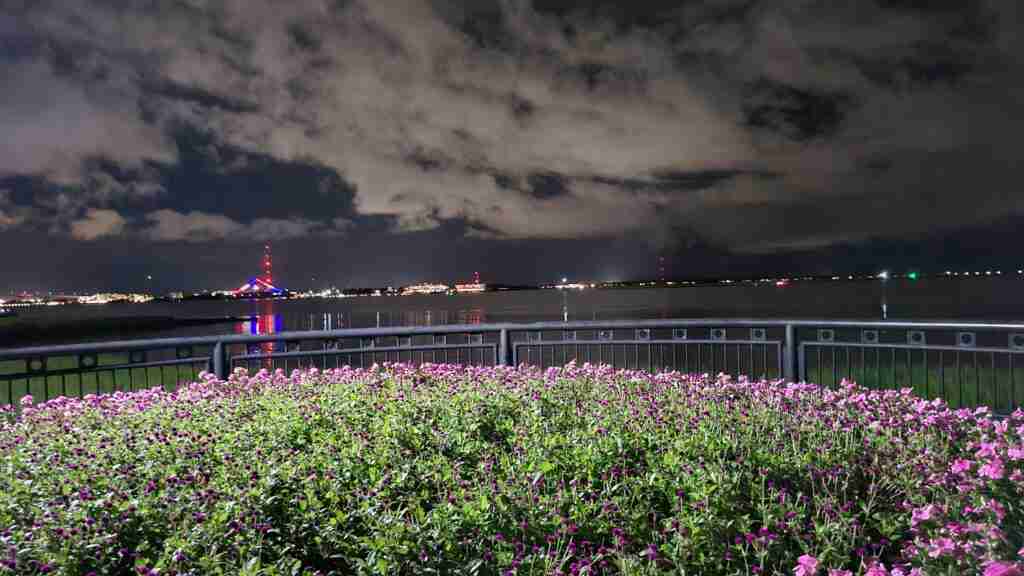
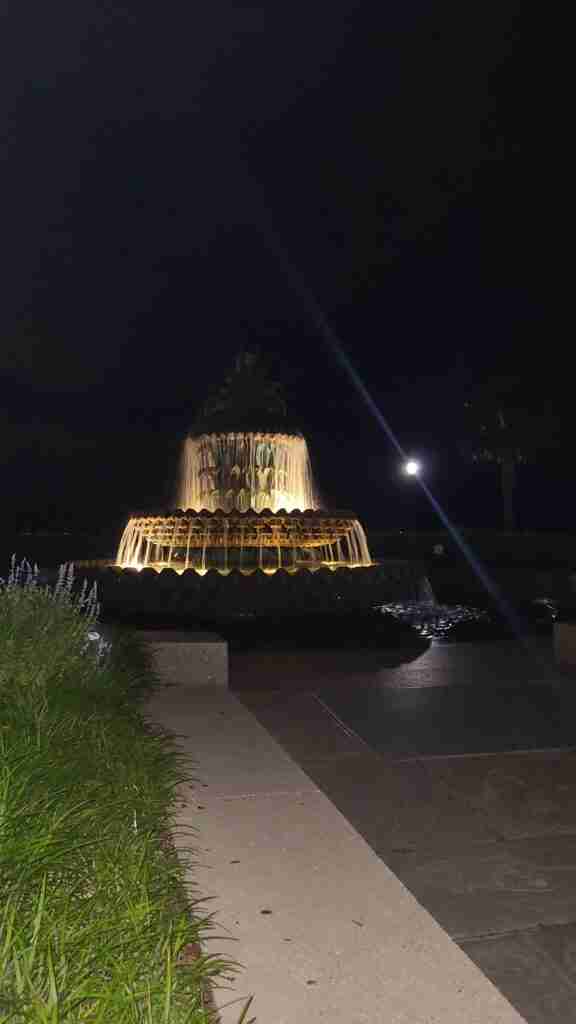
We then wandered around the waterfront for a bit and took some pictures of the famous pineapple fountain.
Sunday morning we headed to the famous Rainbow Row, where a young man offered us a palmetto rose and asked for a donation for his high school team. The rose was beautifully woven out of – what looked to us – lulav strips exactly like the ones our boys weave for sukkos.

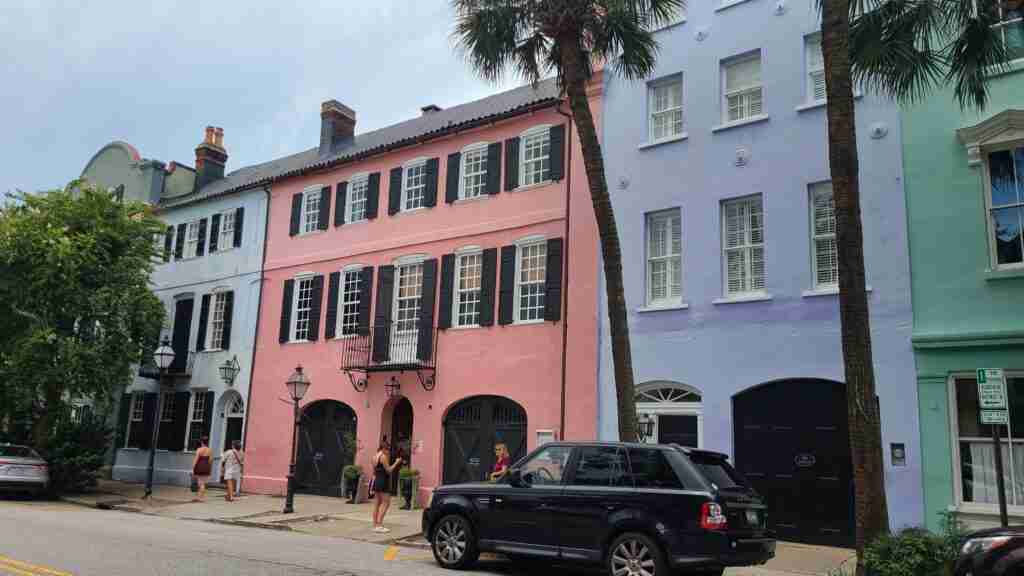
After some photos of the beautifully colored Rainbow Row, we headed to the Old Exchange and Provost Dungeon.
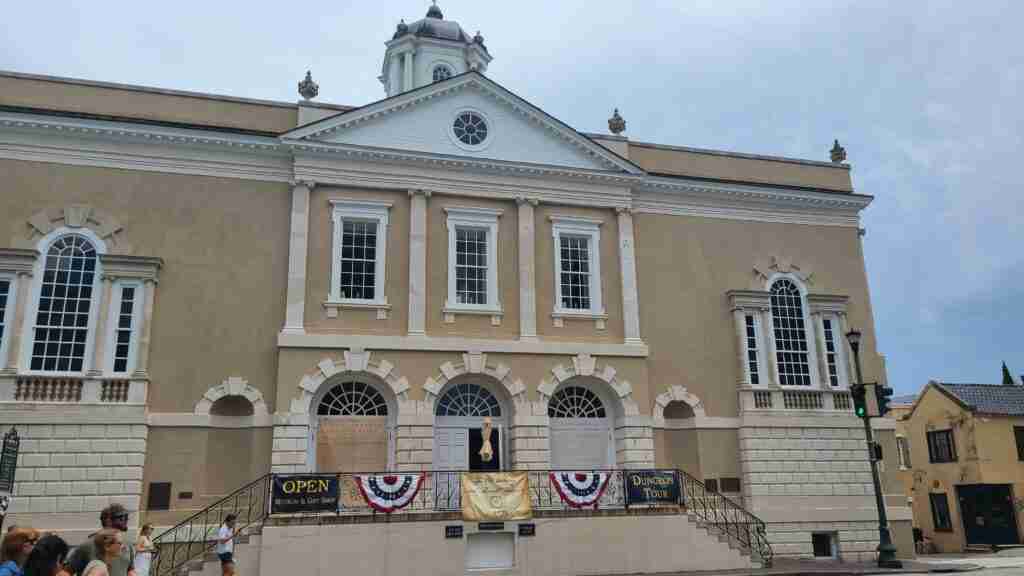
This building is owned and preserved by the South Carolina State Society of the Daughters of the American Revolution, a group of women who can trace their ancestry back to one of the Revolutionary patriots. They still meet there periodically. The dungeon tour was led by an ancient gentleman in period costume who entertained and educated us, emphasizing repeatedly the proud Revolutionary history of Charleston.
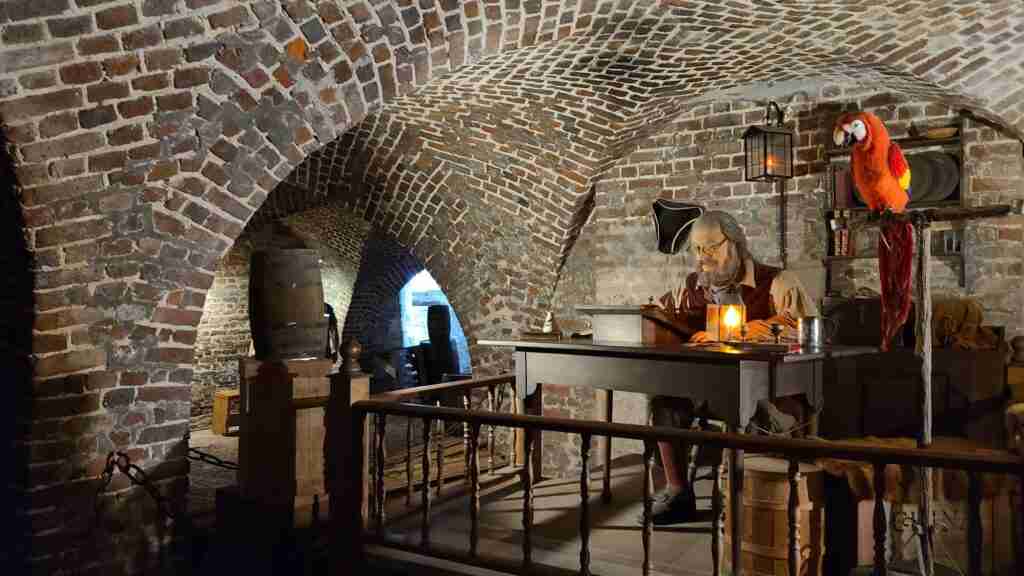
After the tour, we split up as @nerddriver wanted to tour Beth Elo-him Synagogue while I preferred checking out the museum upstairs. Apparently, this is the very place where South Carolinian leaders met to ratify the Constitution, making it one of only 3 such “founding buildings” that are still standing today.
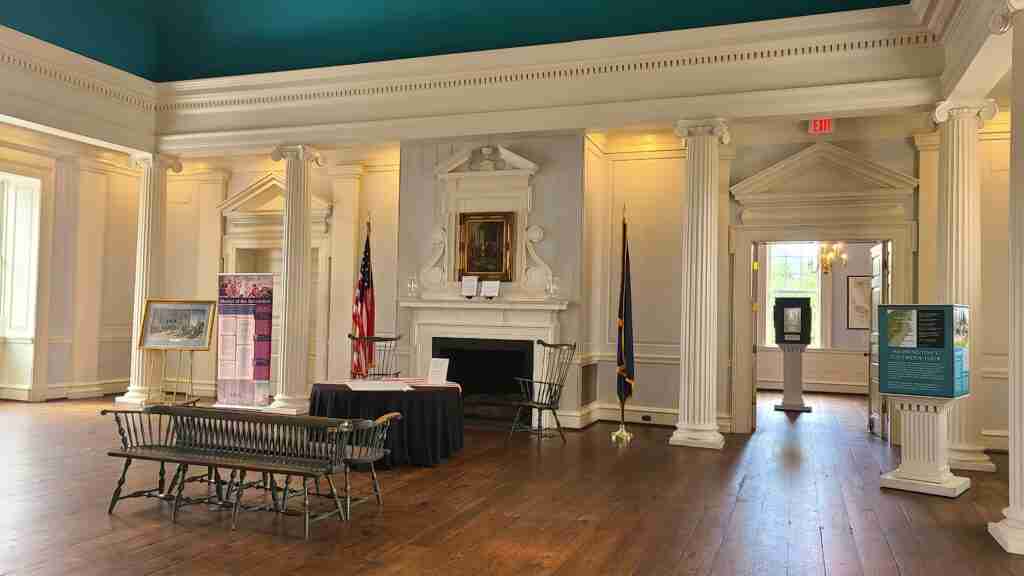
Later, I walked back to the daytime version of the City Market, which is a covered market with rows and rows of art and knickknacks for sale that goes on for several blocks. Most items are overpriced, thought the handmade sweetgrass baskets were very tempting. I veered across the street instead to pick up plastic mementos.
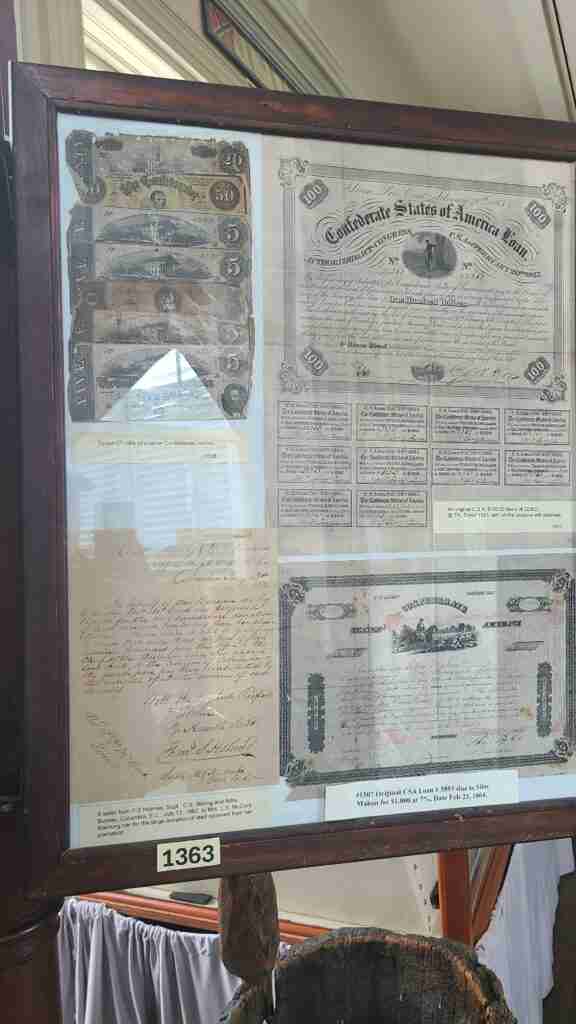
We met back up at The Civil War Museum, informally or formerly known as the Confederacy Museum.
We arrived to this tiny museum twenty minutes before closing time, but they still allowed us in. This place is run by The Daughters of the Confederacy, which the woman at the museum explained is made up of women who can trace their ancestry to members of the Confederacy. “But our family never owned slaves. Never!” she assured us. Okay…
They have many original flags, uniforms, currency, and other items from that entity that existed briefly.
We left the little museum at closing time and took an Uber to Folly Beach, recommended by the entire Internet as the best beach in the area. And it was wonderful. The water was deliciously warm and the waves swelled and crashed ashore, giving us enough thrills and spills for an all-too-short afternoon at the beach.

At 6 o’clock we sprinted across the little island for our next adventure: a scenic boat ride to Morris Island. The trip was timed to give us the best sunset views while we watched for dolphins and other local wildlife among the marshes and estuaries.
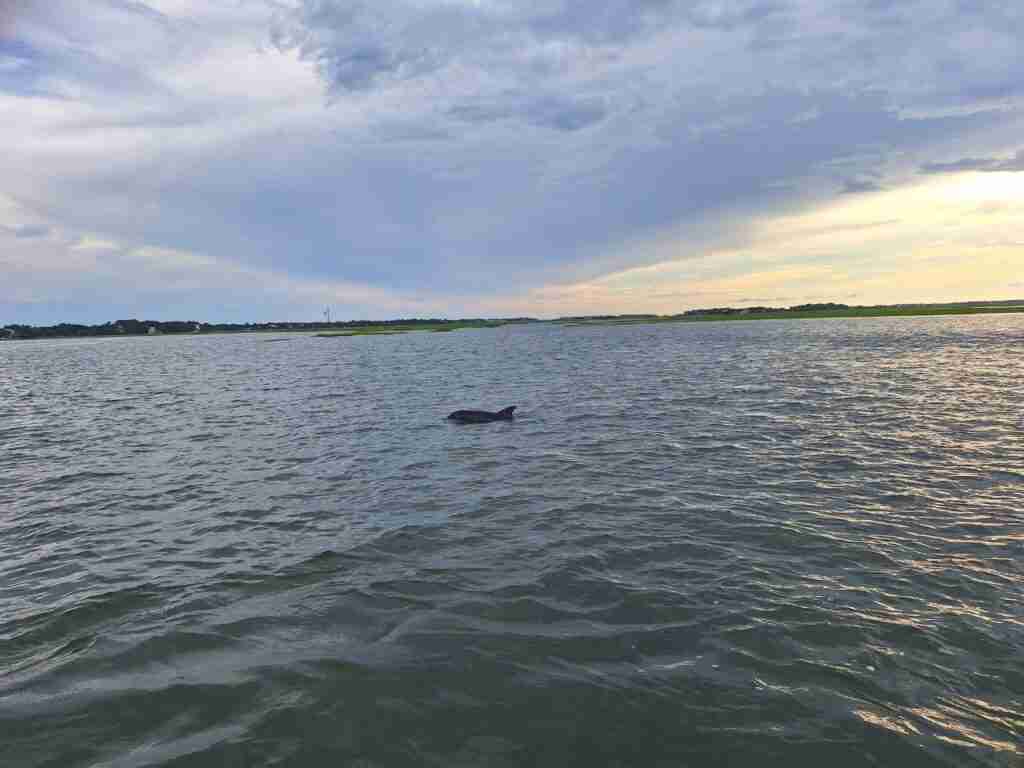
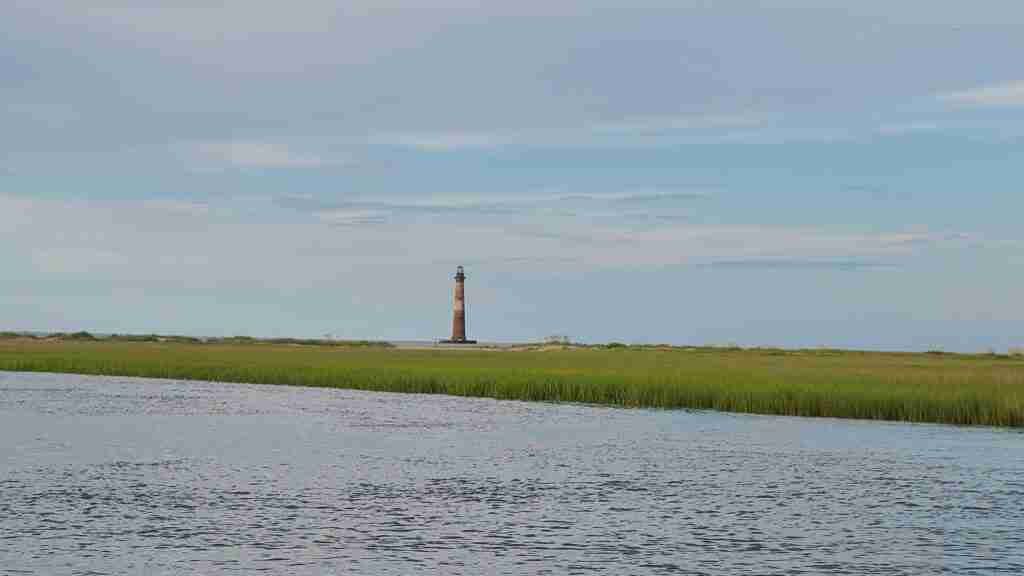
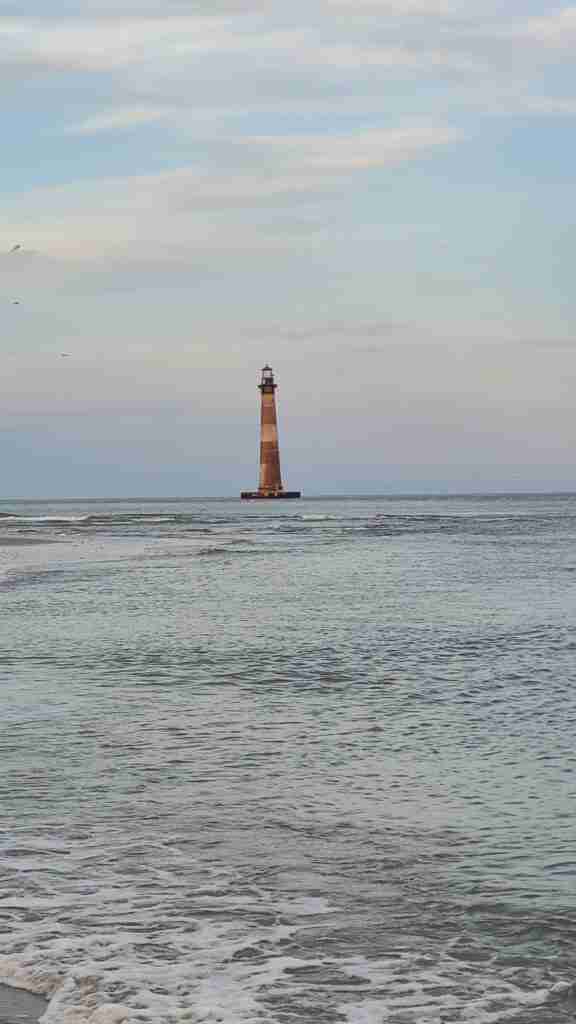
We landed on Morris Island to hunt for seashells and sharks teeth. We waded along the squishy beach, pausing for photos of the historic lighthouse in the background. The lighthouse, now surrounded completely by water because of land erosion, is no longer in use, though it is still lit on special occasions.

Monday was checkout day. We wanted to maximize our time around town, so we reserved a service called Bag Valet. They picked up our luggage from the hotel and delivered it to us later at the airport.
Meanwhile, we headed to Drayton Hall, recommended as the most history-focused of the nearby plantations.
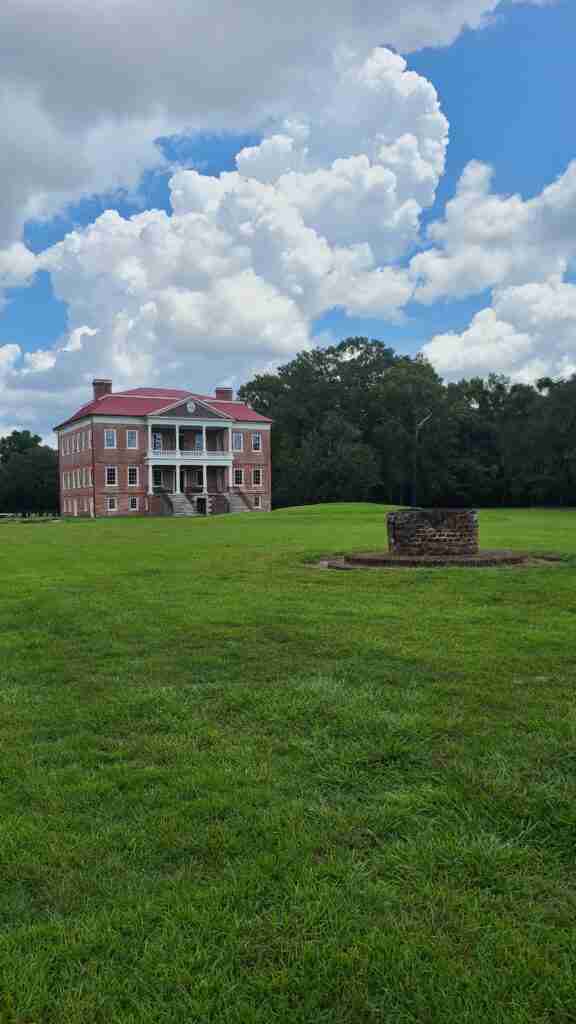
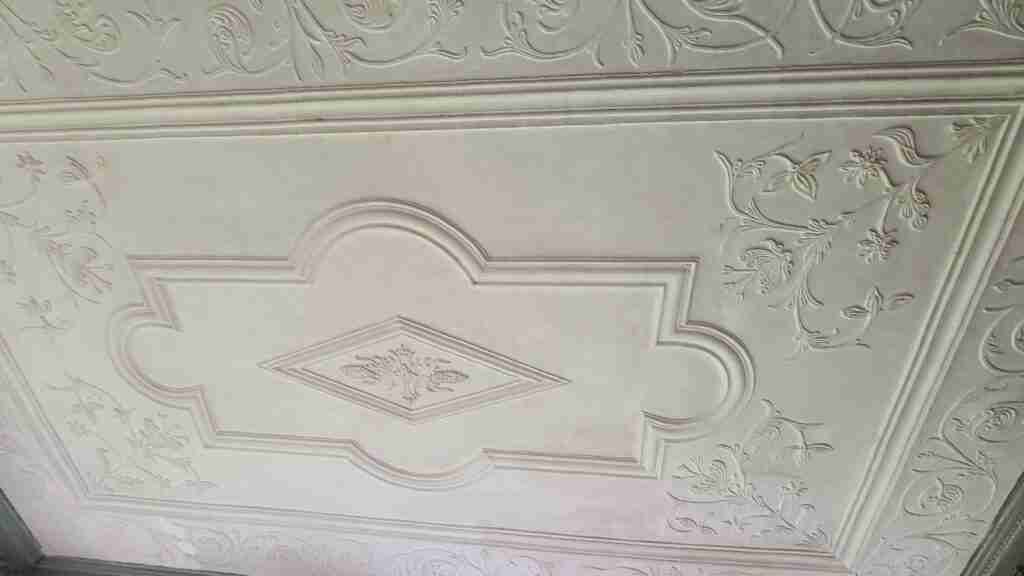
While other plantations boast stunning gardens or beautifully restored mansions, their focus here is on preservation rather than restoration. We learned a lot about the ongoing archeological digs and what they tell about the generations of the Drayton family who owned the place until the 1970s. The place has never been electrified or modernized and boasts the oldest surviving hand carved plaster cast ceiling in North America.
took a while to get an Uber out there, and when ours finally arrived, we weren’t sure where to go in the rain. We headed to Charles Town Landing, the site of the original settlement of Charles Town.
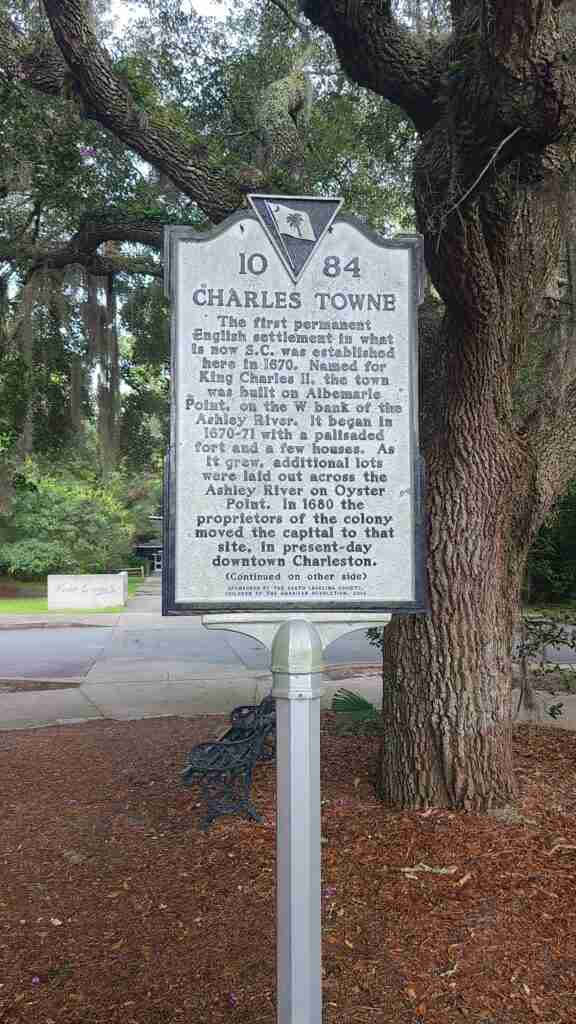
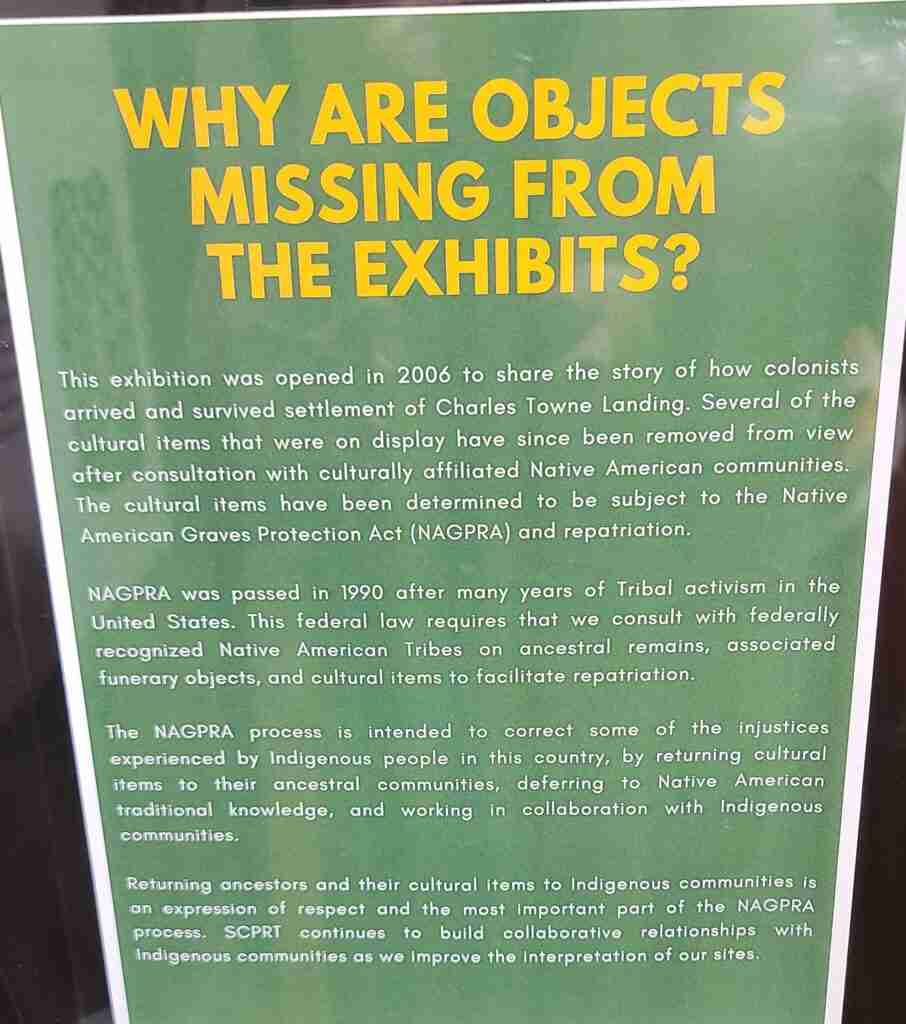
The rain was still pouring down heavily, so we decided not to try seeing the animals or the historic trail outside. The building had an exhibit about the history of the founding of the city which seemed aimed at children, but we enjoyed it. Here, as in some of the other museums we’d been to, there were artifacts missing because they were being reviewed by local Native Americans to ensure proper ownership and respect for Native culture.
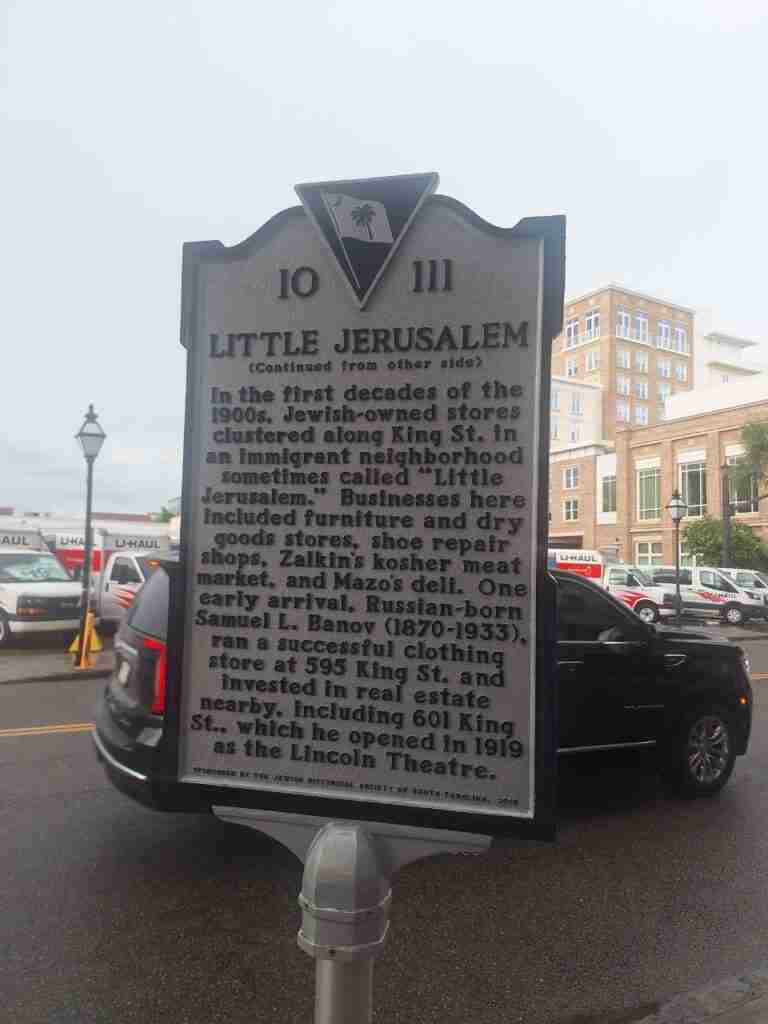
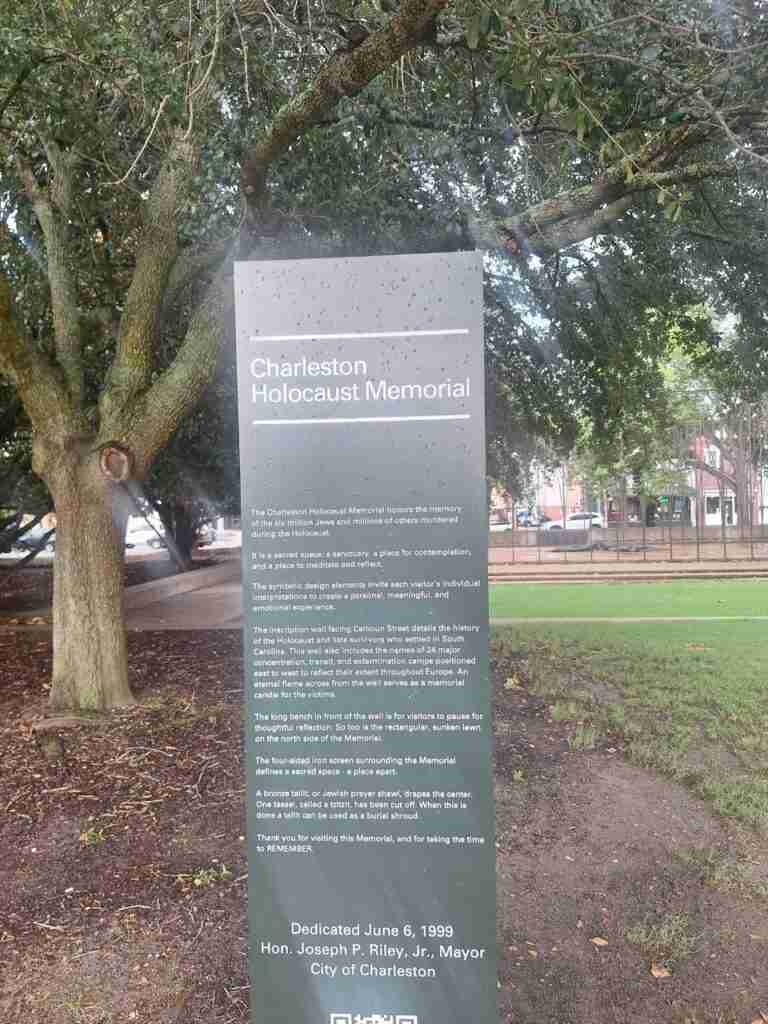
As we pulled back into downtown Charlestown, the skies cleared. We walked down Kings Street, which came back to life as the clouds ceased dripping. We wandered along the streets, reading history signs about the Jews of Charleston and stopping by the Francis Marion park to see the Holocaust Memorial.
Most of the stores are restaurants and clothing, but we stepped into two bookstores along our route.
Eventually it was time to head to the airport. Our flight had been delayed for two hours due to summer thunderstorms, but eventually we boarded the plane, heading back home.
Until next time.

Did you enjoy this article?
3
0

Where do you get this doorway magnet? Can you give a link to purchase?
I got it on Amazon.
https://a.co/d/0eayuYLi