

This post may contain affiliate links, meaning we might make a small commission off any purchases at no additional cost to you.
 3
 0
Table of Contents
- Quick stats about this trip:
- ✈️: 8,281 miles
- 🚂: 410 miles
- 🚶🏻♀️: 45 miles
- 💰: $53 per person per day (double occupancy)
Overview
Back in December 2024, I was faced with the all-familiar annual dilemma of how to utilize my Amex Platinum $200 FHR/THC hotel credit. These are notoriously difficult to use if you don’t want to pay several hundred dollars out of pocket, as the credit mostly works for luxury hotels, and our goal was to shell out as little cash as possible. After sifting through all the options, we noticed that Stockholm, Sweden and Copenhagen, Denmark both had hotels priced at just about $200/night- since my husband and I both have the Amex Platinum that would give us two nights for our 2024 credits, and if we pushed the trip off to some time after New Years we could utilize our 2025 credits as well, for a total of 4 nights. We ended up spending $51 on hotels after the $800 in credits.
We booked an additional 3 nights in Copenhagen to have a little more time to explore the city for 34,884 Chase UR points, and decided to add on a short day in Helsinki, Finland, at the start of our trip as well. This rounded out the trip to one day in Finland, two days in Sweden, and five days in Denmark.
As we were making these calculations, Virgin Atlantic announced a 40% transfer bonus from Amex. This allowed us to get flights on SAS Airlines for just 14,750 points per person per leg, for a total of 59,000 points. An additional $600 in expenses for items like parking, airfare taxes, local airfare, and trains was fully covered by our Chase Sapphire Reserve travel credit (due to a change in timing of the credits, we received $600 in annual credits instead of the usual $300).
This brought our total spending for 8 days in Finland, Sweden, and Denmark in February to $847 for attractions and food.
For food we packed our trusted mini-betty crocker, along with a step-down transformer. We also took along wraps (great for pizza as well as breakfast) and American Cheese from home, with the plan to purchase soy milk, eggs, tomato sauce, fruits, and veggies locally. Once in Copenhagen we relied on the Chabad restaurant for dinner.
On Sunday afternoon we headed out to ARB Parking in Newark, where we had prebooked parking for the duration of our trip. We waited 15 minutes for the shuttle to take us to Terminal B, and since our flight was leaving from B3, which has no TSA precheck lane, we stood in line for over 30 minutes to clear security. Thankfully we made it to our gate in time, and boarding on our SAS flight was completed ahead of schedule.
The flight landed in Stockholm Arlanda Airport 30 minutes ahead of schedule, and we breezed through passport control. We then had to pass through security again and transfer to the Schengen terminal for our 1+ hour flight on Finnair to Finland. Security here was a bit of a joke, as there was only one guy manning the lane. He would close the lane between each passenger to head behind the conveyor belt to view the xray, open bags if necessary, and then reopen the lane for the next passenger. He had us rescan our bags three times since at first he had us keep electronics in the bag, then out of the bag, then our liquids were a problem (all under 3 oz), so he took those out, scanned them, re-xrayed them, had them tested for substances, and so on… while all this was annoying, it took no more than 10 minutes and we were on the transfer bus to the Schengen terminal. We even had a few minutes before our flight to Helsinki boarded to stop by the Pearl Lounge to decompress. We soon boarded a propeller plane for the 1 hour and 15 minute flight to Helsinki, and were on our way.
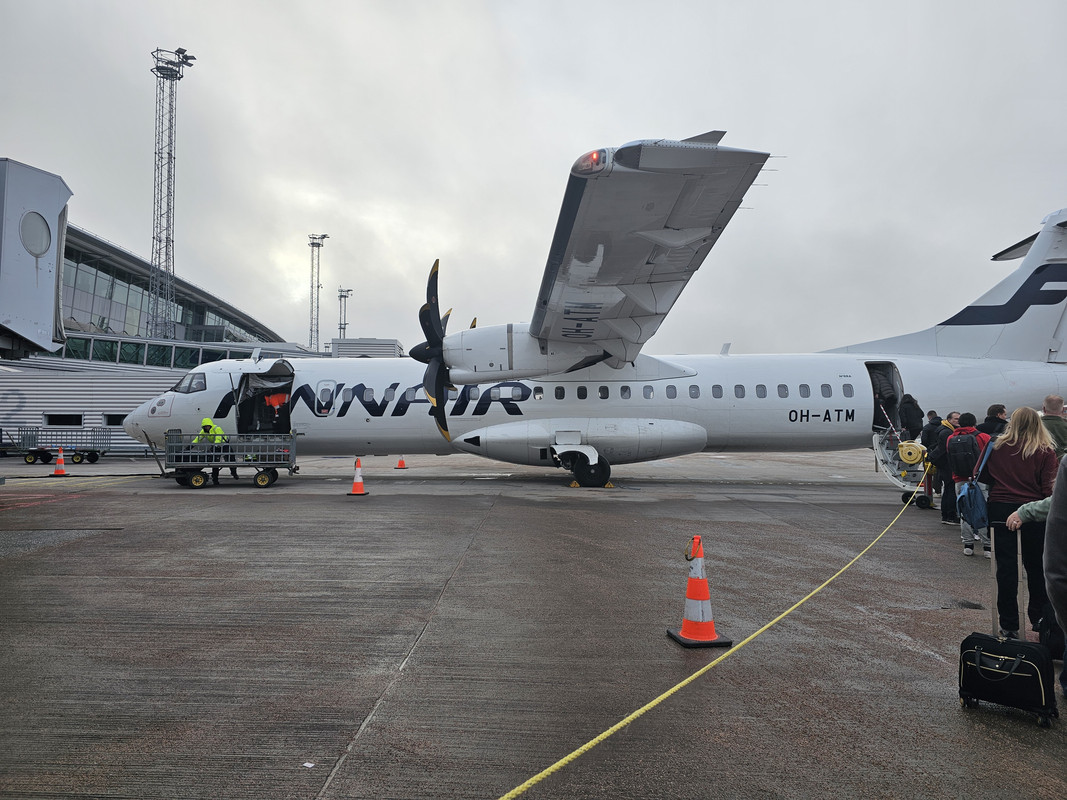
Finland
Finland is part of the EU. Currency- Euro.
Finland Kosher List
Since Helsinki is 1 timezone ahead of Stockholm, we landed ~2 hours on the clock after departing Stockholm.
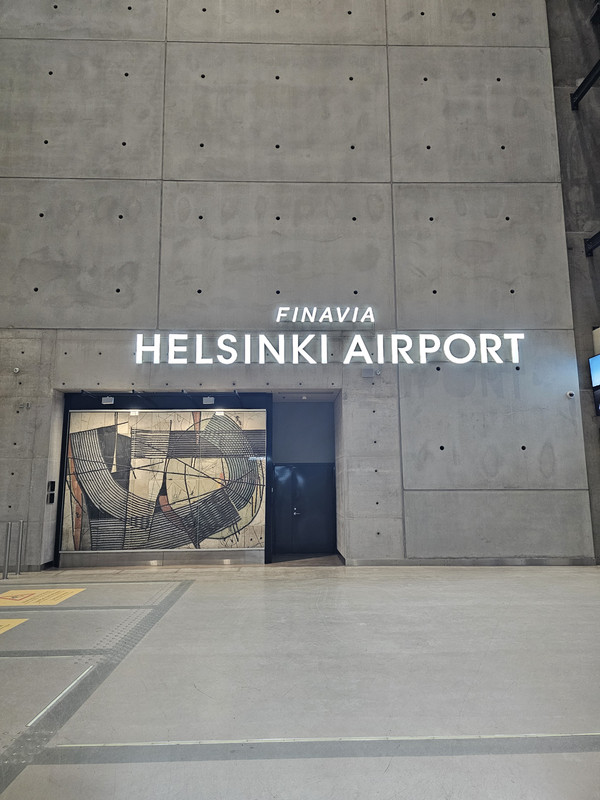
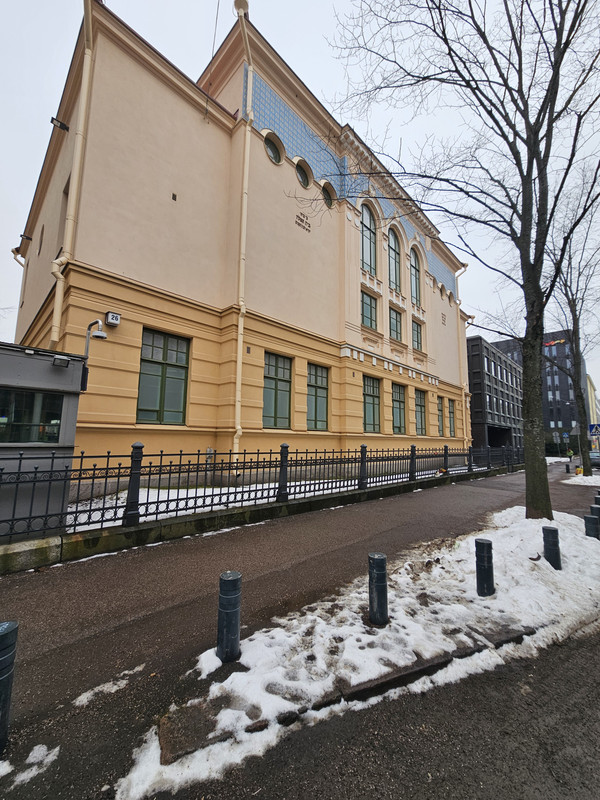
We immediately headed to the train station at the airport, and purchased 2 24-hour ABC tickets for €11/pp- the ABC card allows for unlimited travel on trains and buses, as well as the ferry to Suomenlinna Island. The train ride from the airport to the central station in Helsinki took approximately 30 minutes, but it was an easy and quiet ride. Once at the central station we dropped off our bags at the lockers located on-site. The lockers were large and easy to access, and we paid €8.90 for 12 hrs. We then stopped by a local cafe for some coffee, before hopping on the trolley for a tour of the local shul, which we had reserved in advance.
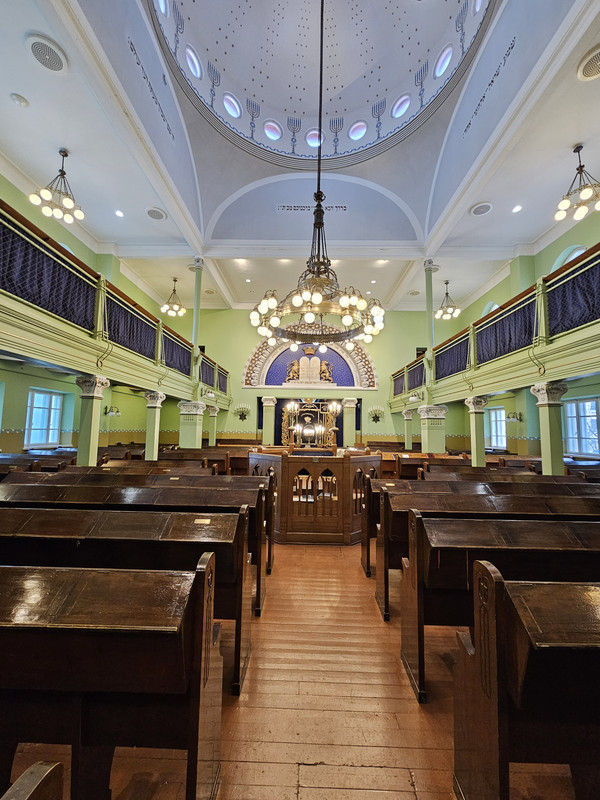
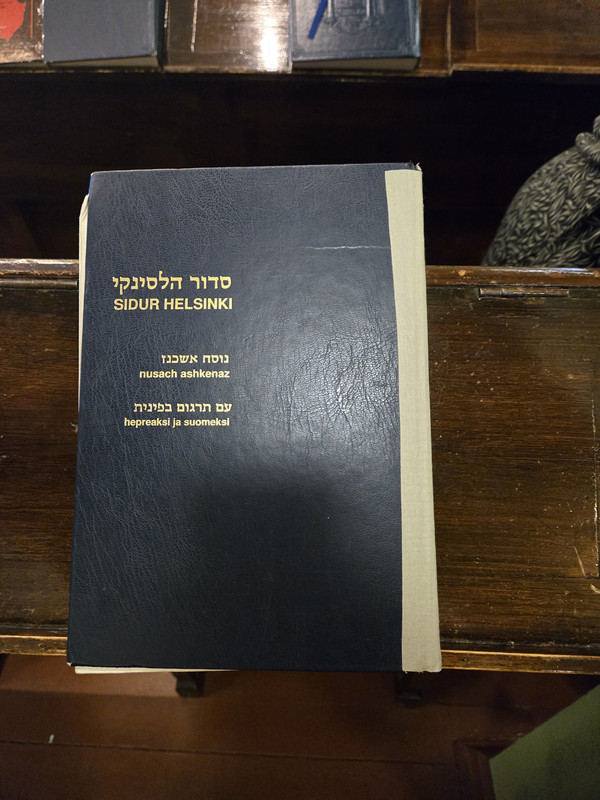
The shul tour only lasted about 20 minutes, but during that time we learned about its fascinating history and current state. While the shul has ~1k members, only 20 of the families are frum.
Some Jewish history of Finland:
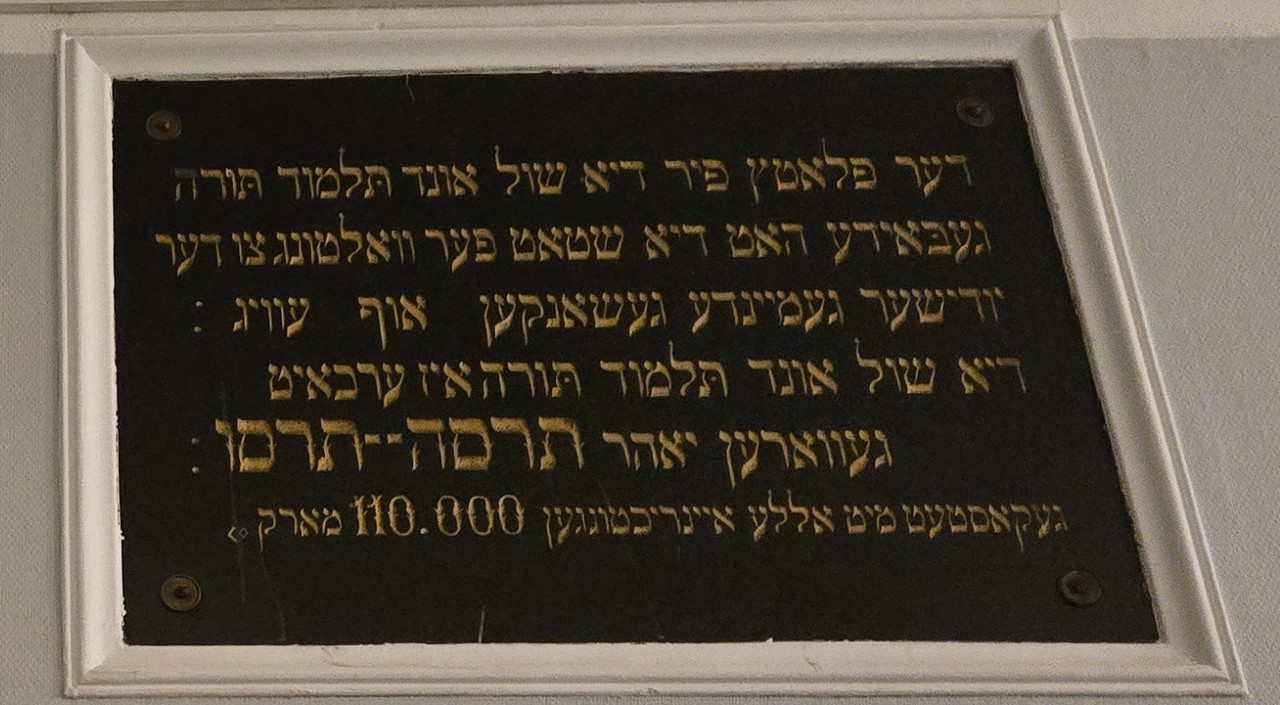
In 1858 cantonists were given permission to settle in areas normally barred to Jews, and a group of former soldiers founded the Jewish community of Helsinki. By the end of the 1880s there were about a thousand Jewish residents in Finland. The current shul was opened in 1906, but it was not until 1917 when Finland became independent from Russia that the Jews received civil rights.
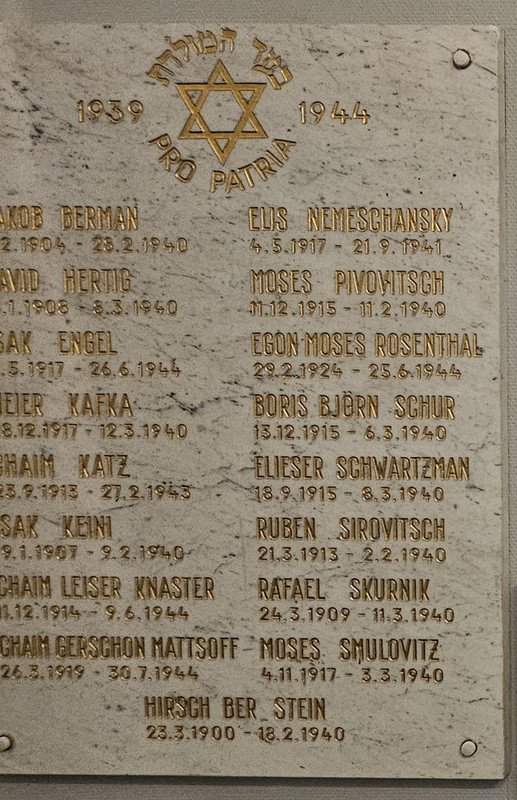
During WWII, despite strong German pressure, the Finnish Government refused to take action against Jews. That being said, a small number of Jewish refugees and Soviet POWs were handed over to the Nazis, and some Finnish volunteers in the Waffen-SS participated in atrocities.
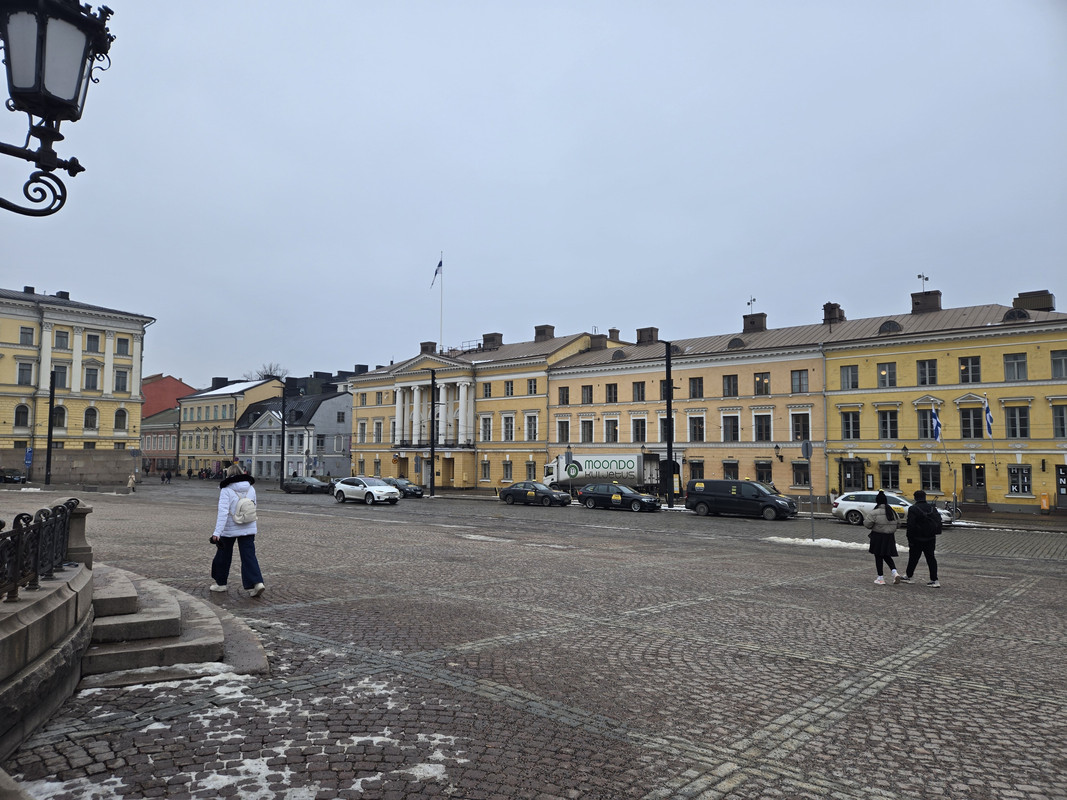
Our next tour was a free walking tour of the city. While walking tours are hit-or-miss, this guide was incredible, and we tipped him $45. This was especially impressive as the tour is mostly outdoors, we had skipped the previous night’s sleep, and Finland in February is cold, with a harsh wind coming off the Baltic Sea.
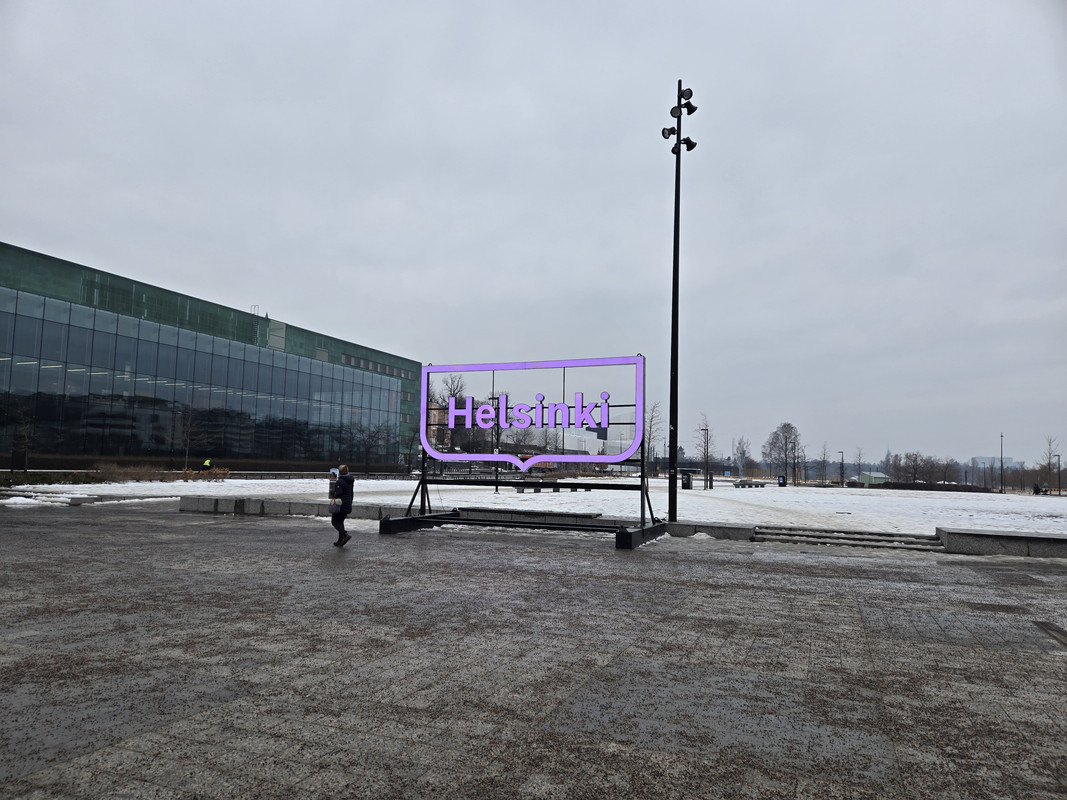
The coolest part of the tour was Oodi Library- a public library in Helsinki. This is not your regular, run-of-the-mill library- it is a space for locals to meet, relax, and be creative. The first floor is a meeting space, with a cafe, chess tables, a cinema, and some pop-up shops. The second floor is where things get interesting- they have all sorts of recreational spaces- music recording rooms (with instruments), gaming rooms, state of the art kitchens, photography studios, 3D printers, laser cutters, sewing machines, and so much more! The third floor is a standard library, with robots organizing and returning books to the shelves.
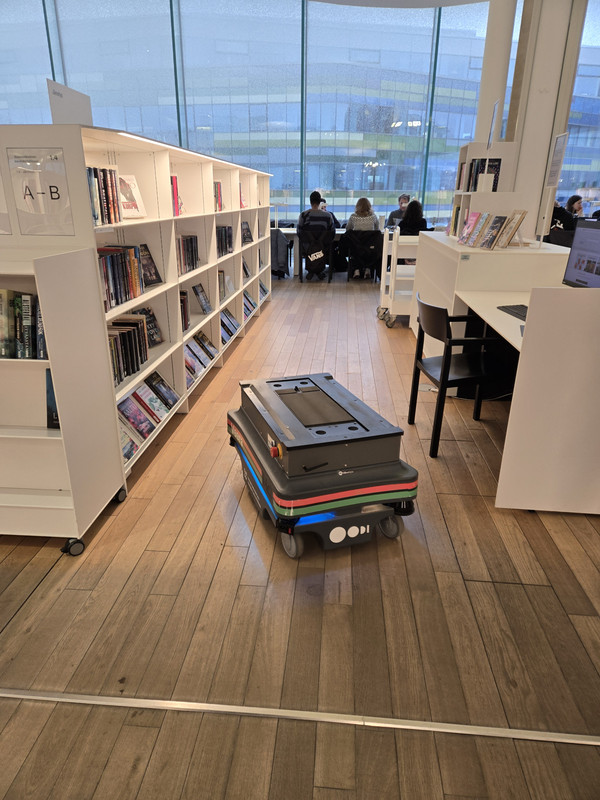
We asked our guide how the library maintains such expensive equipment, and he joked that no one would dare break anything- in a country of just 5 million people and a city of 600k, someone at the library is bound to know your grandfather or uncle, and it wouldn’t go unnoticed…
We then walked back to the cafe at the central station (Helsinki is a rather small city, and very walkable), for some more coffee and sandwiches we had brought from home (Finns drink an average of 7 cups of coffee a day, so we were still way below average).
Feeling refreshed, we headed to the harbor to catch a ferry to Suomenlinna Island. The ferry took just 15 minutes, but the waters were icy and the wind was biting.
Suomenlinna Island is a UNESCO site fortress with over 100 cannons, tunnels, museums, guided tours, cafés, restaurants, and a B&B. In summer the place is packed, but when we visited in February, the place was mostly deserted.
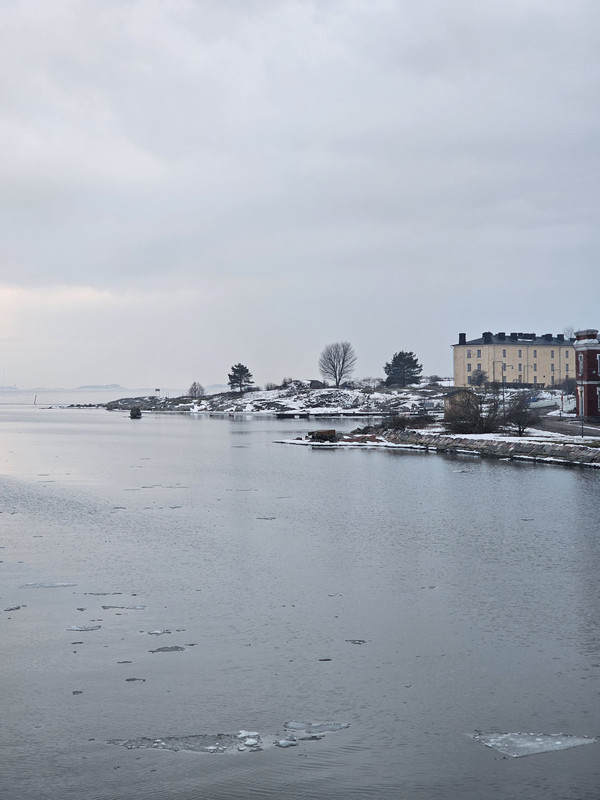
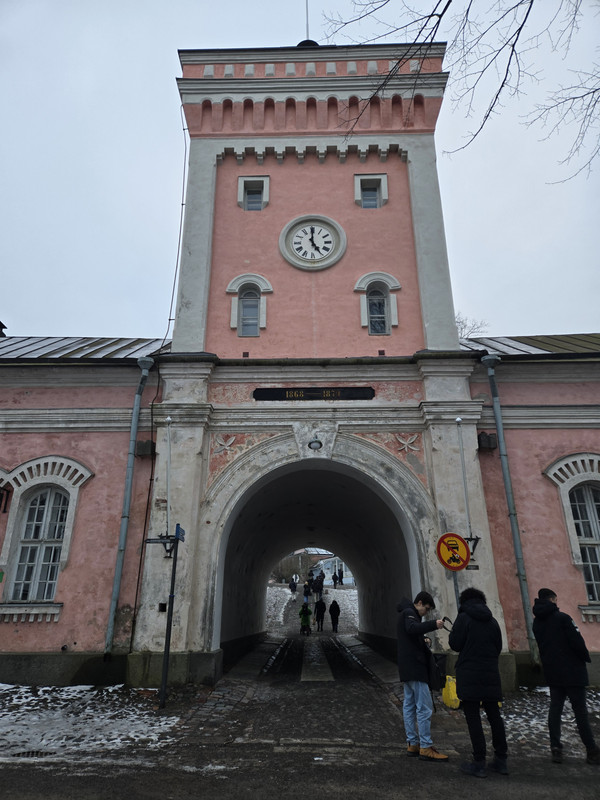
After strolling around for an hour or so, we headed back to Helsinki, retrieved our bags from the locker, took the train to HEL airport, and breezed through the empty security lanes. Since the flight back to Sweden takes one hour, and we gained an hour on the clock when heading West, we landed in Sweden the same time we had taken off from Helsinki, after a full and tiring day.
Sweden
Sweden is part of the EU. Currency- Swedish krona.
Stockholm Kosher List
Upon landing in Stockholm we boarded the Arlanda Express train to take us to the central station in Stockholm. The fare was ~$20/pp, and the train ride took just 17 minutes (!) topping out at 184kmh. By contrast an Uber would’ve costed $60, and lasted 45 minutes.
Upon arriving at the train station we headed to a supermarket located on the premises, stocked up on soy milk, eggs, and other essentials, and then headed to Hotel At Six, where we had booked three reservations for the next three nights. It took the front desk a few minutes to locate all three reservations, and to combine them so that we wouldn’t need to check out mid-stay, but on the plus side they allowed us to utilize the Amex FHR $100 food and beverage credit daily, for a total of $300 (we mostly used this on water and coffee, with a splash of alcohol here and there).
The hotel was beautiful, and while the room was not spacious, it was well designed and modern.
The next morning, after a refreshing night of sleep, we headed out for our free Stockholm city walking tour.
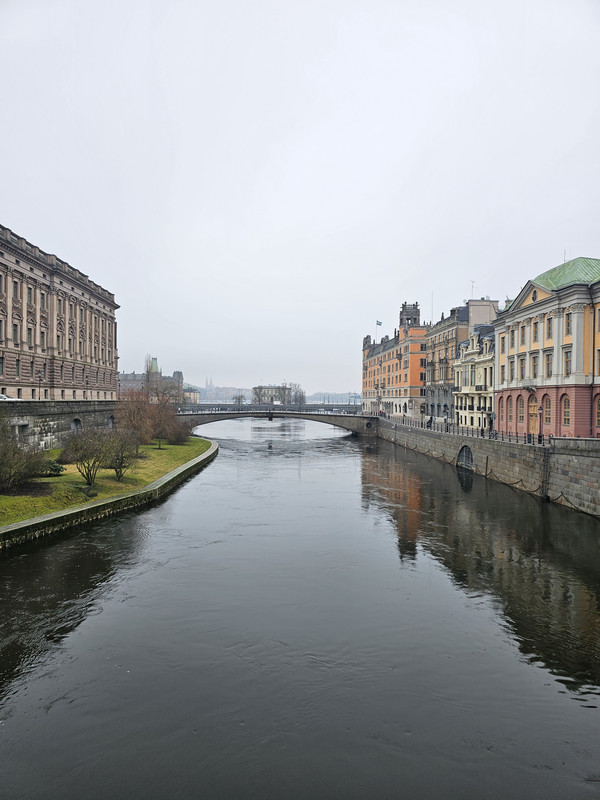
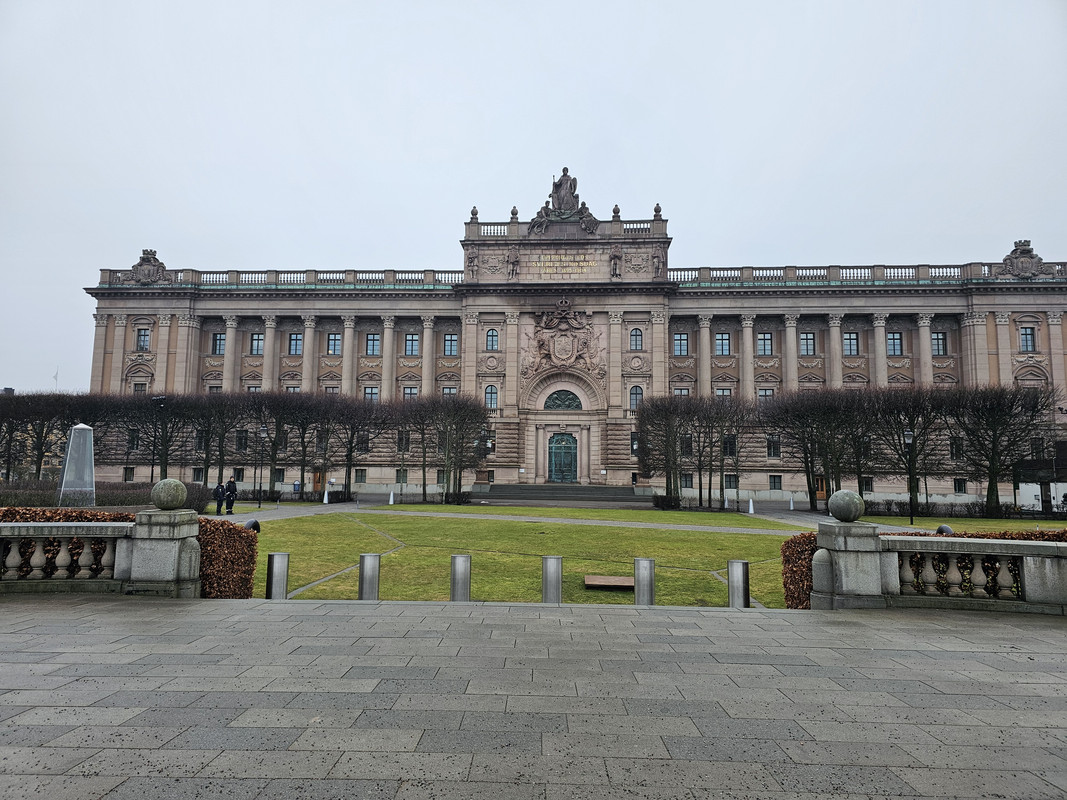
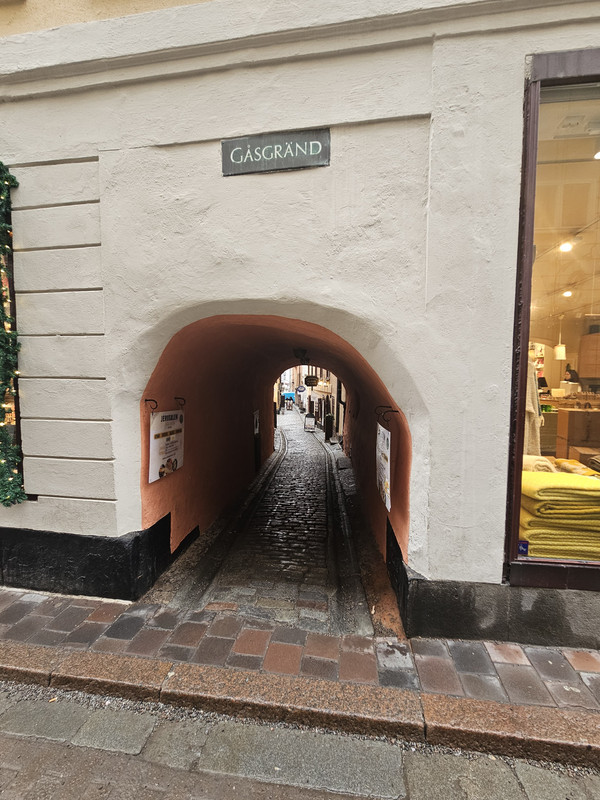
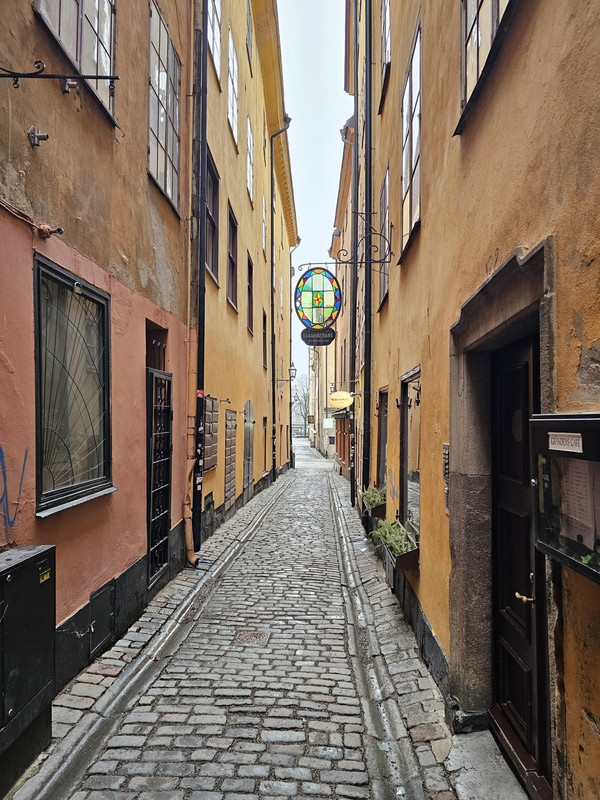
The streets of Old Stockholm, Gamla Stan:
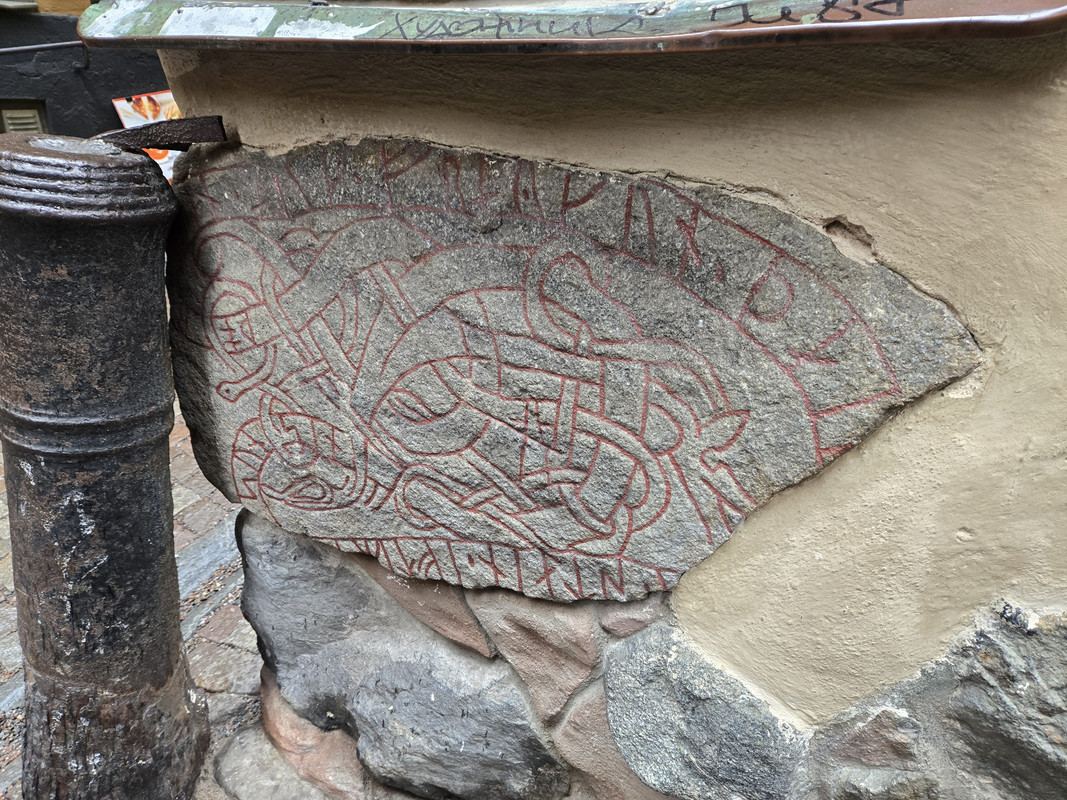
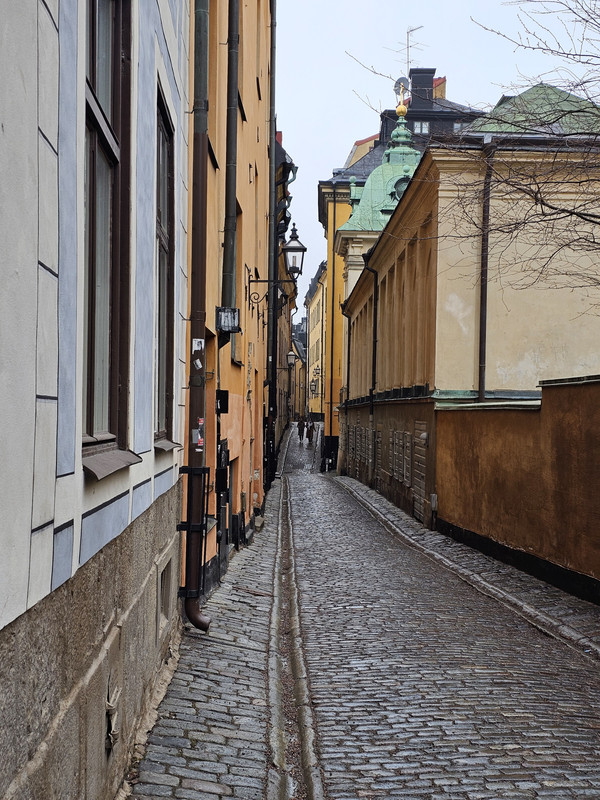
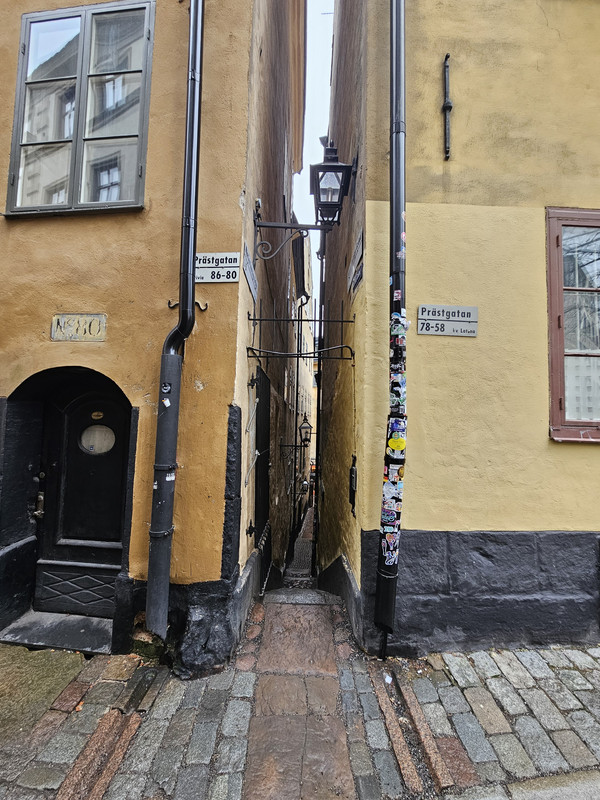
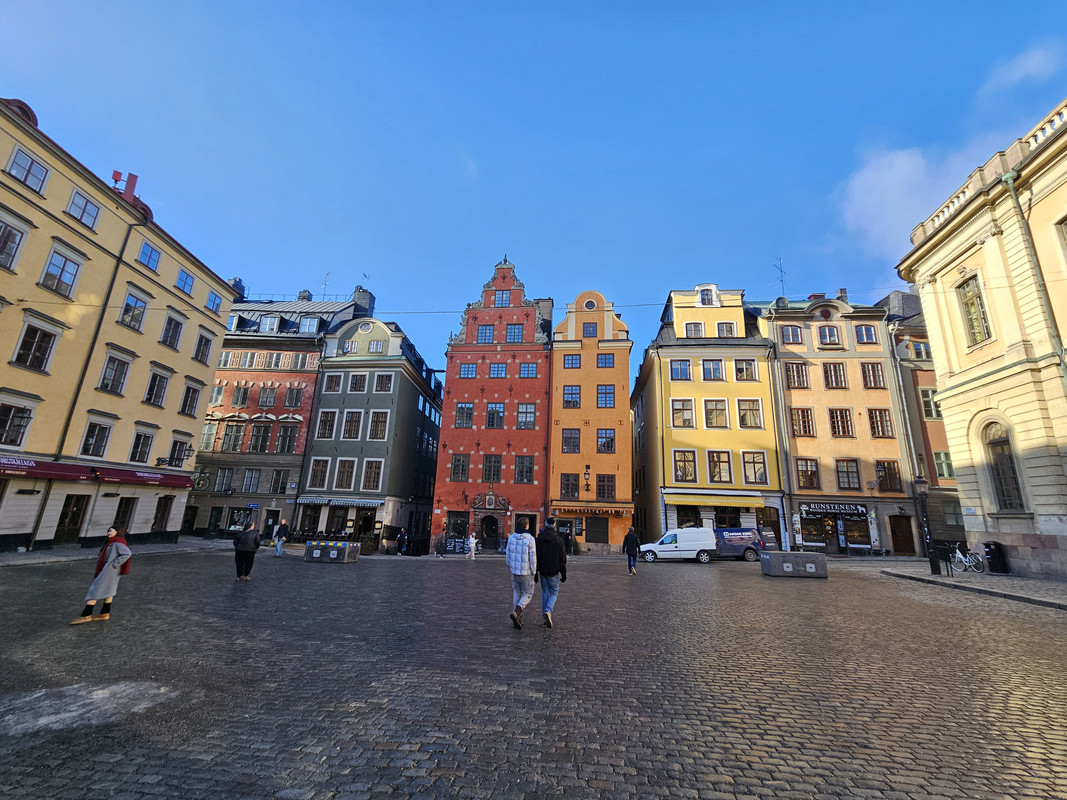
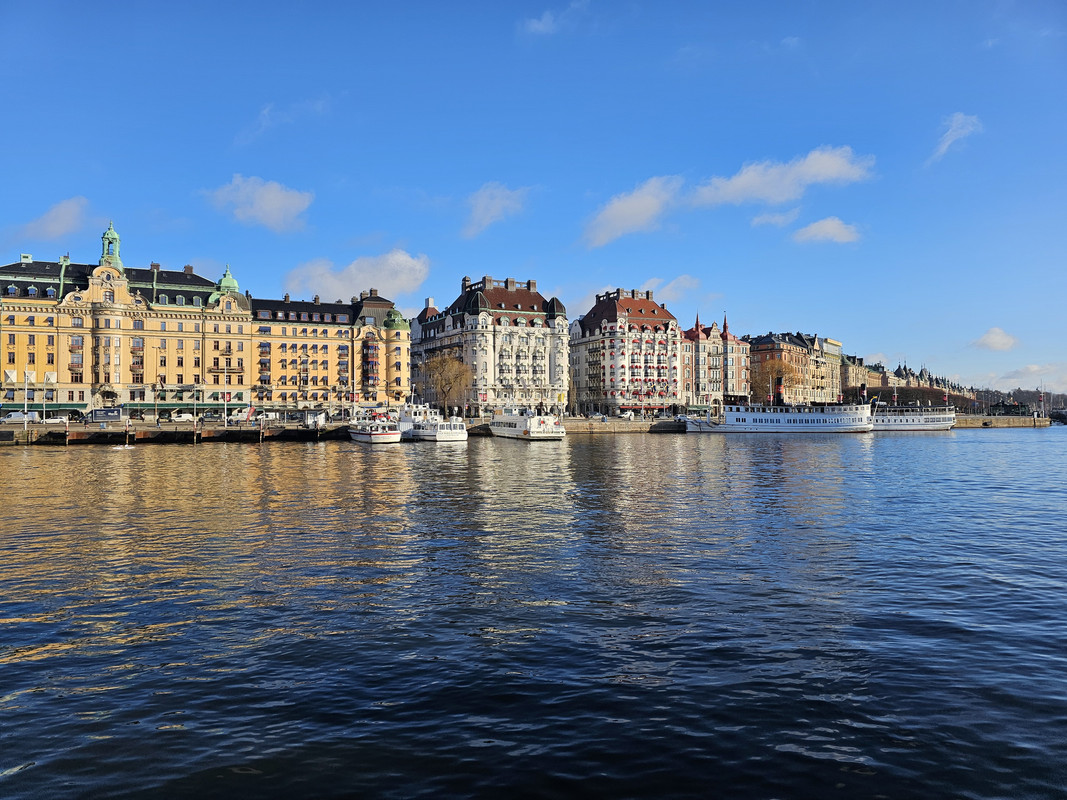
The guide was informative but not spectacular, and when the tour wrapped up we headed to the Royal Palace, where we witnessed the daily changing of the guard at 12:15PM, and then proceeded in to the palace to explore.
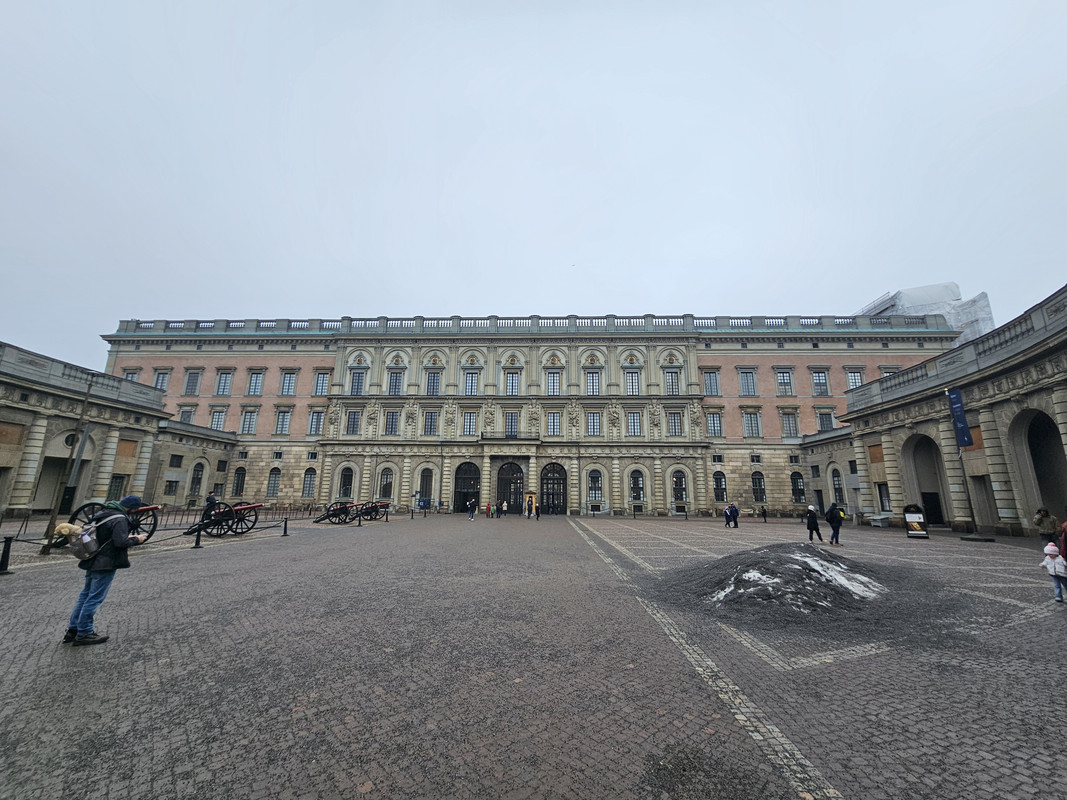
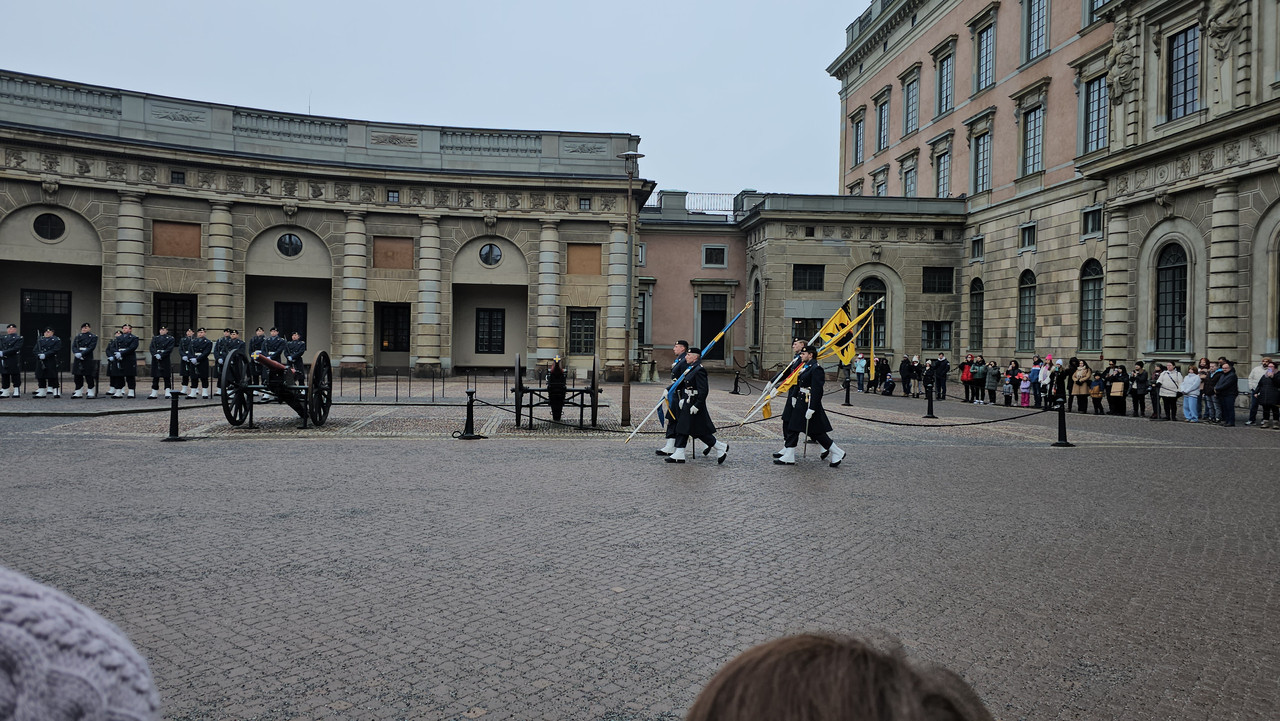
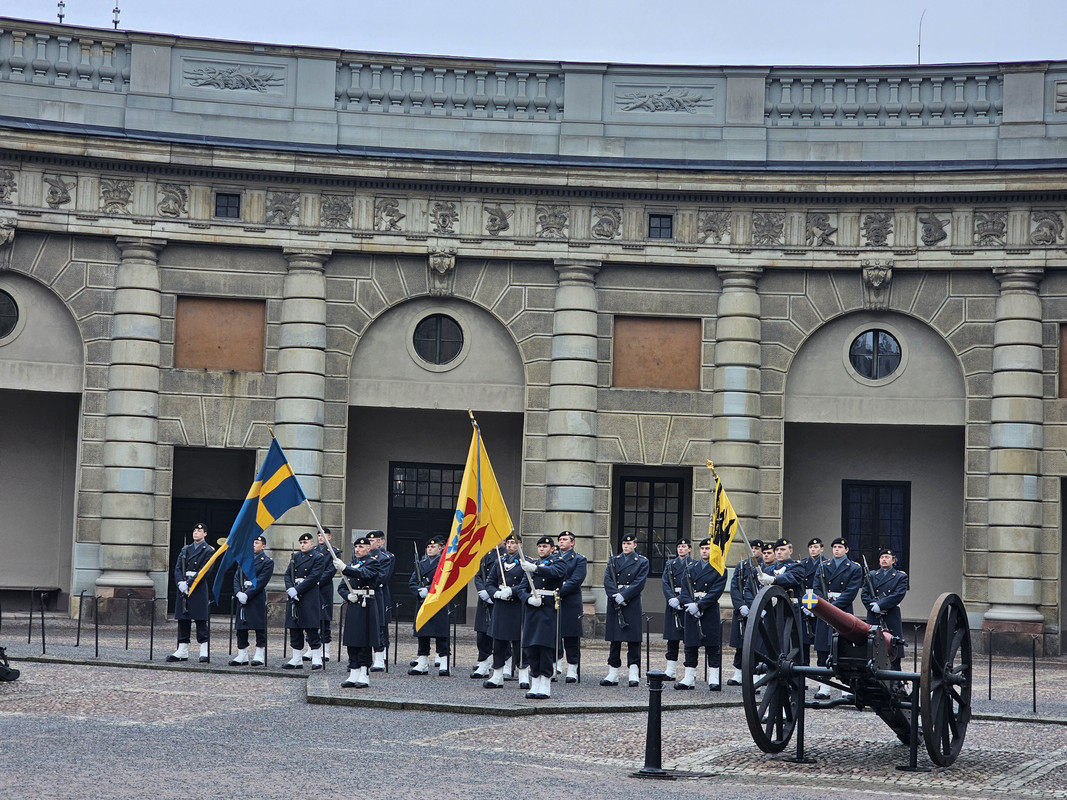
The Royal Palace is one of Europe’s largest palaces, and is the official residence of the Swedish King. It features more than 600 rooms (only a portion of which are open to the public) and five museums.
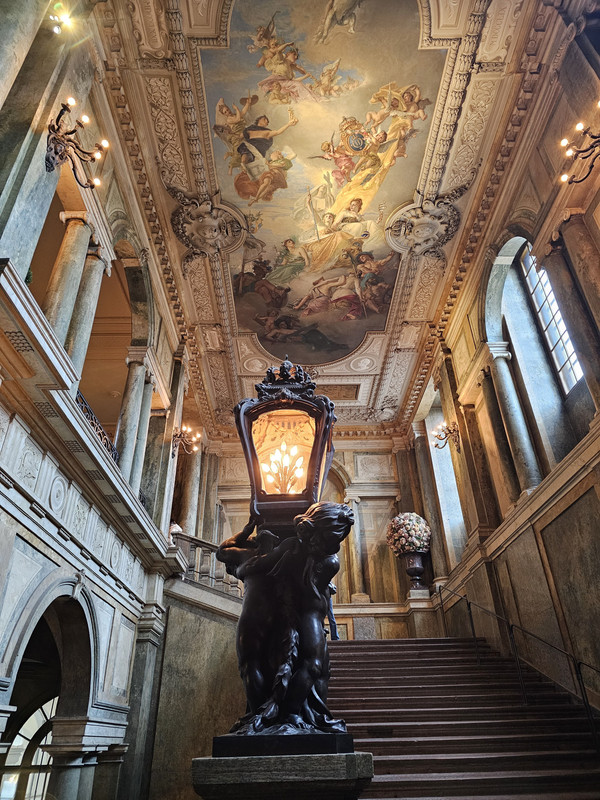
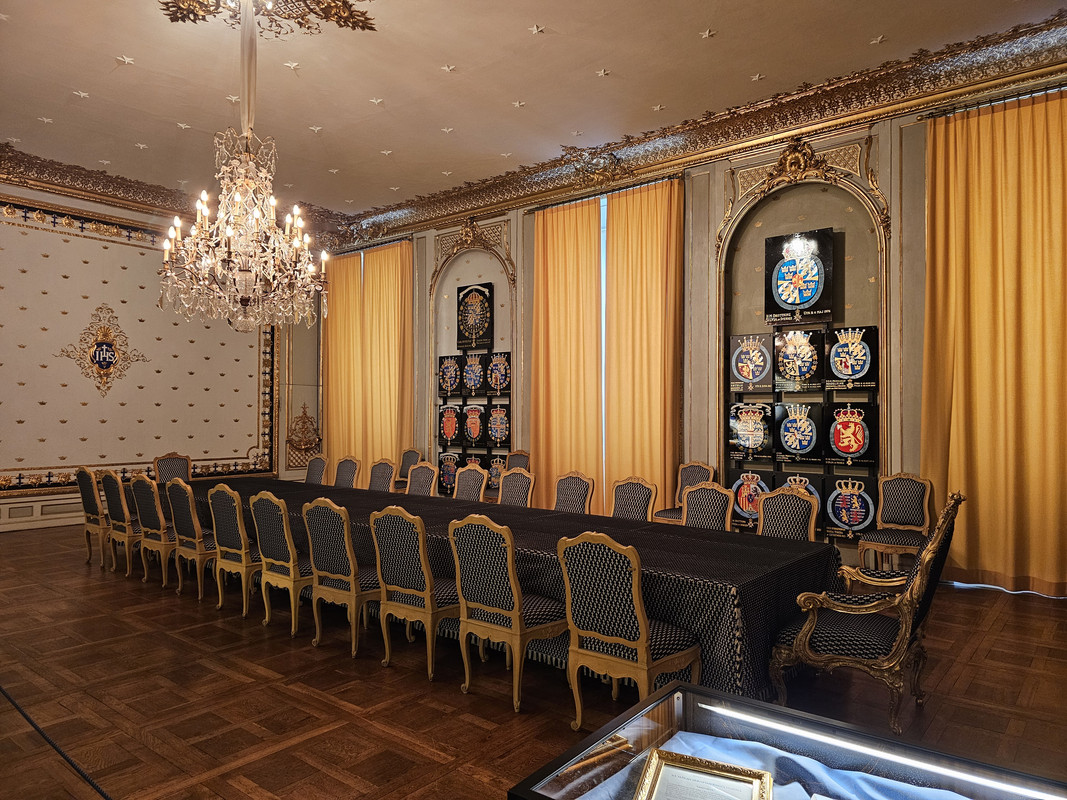
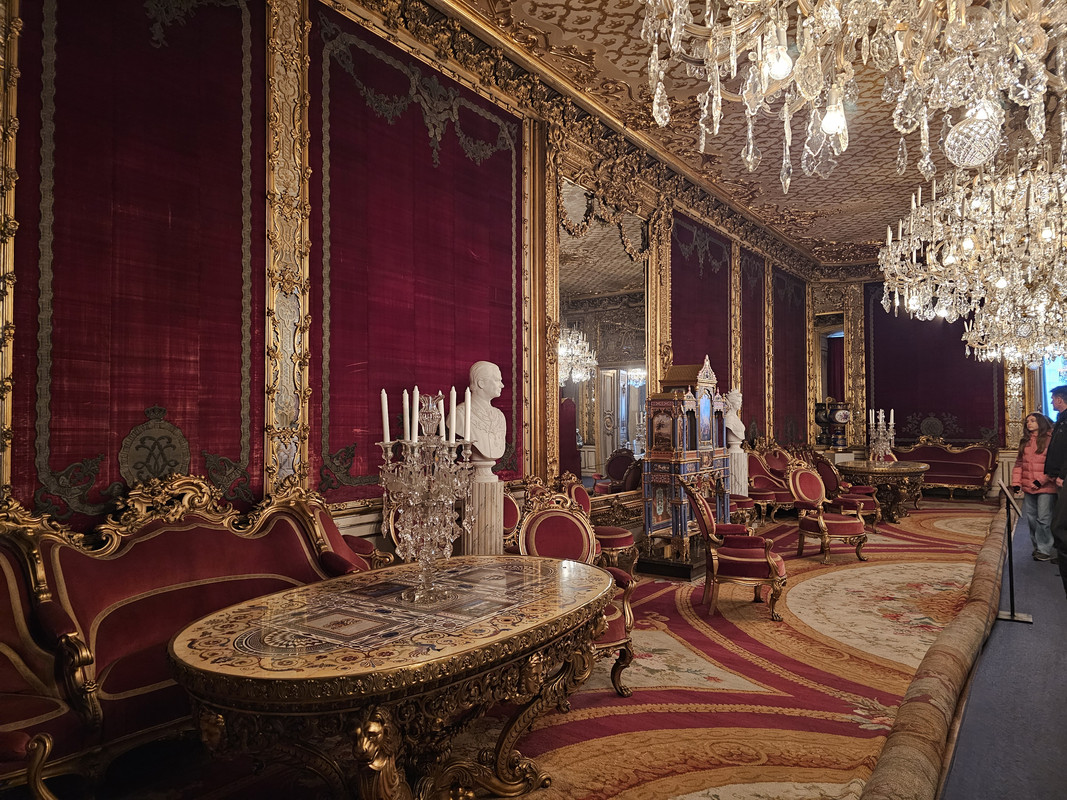
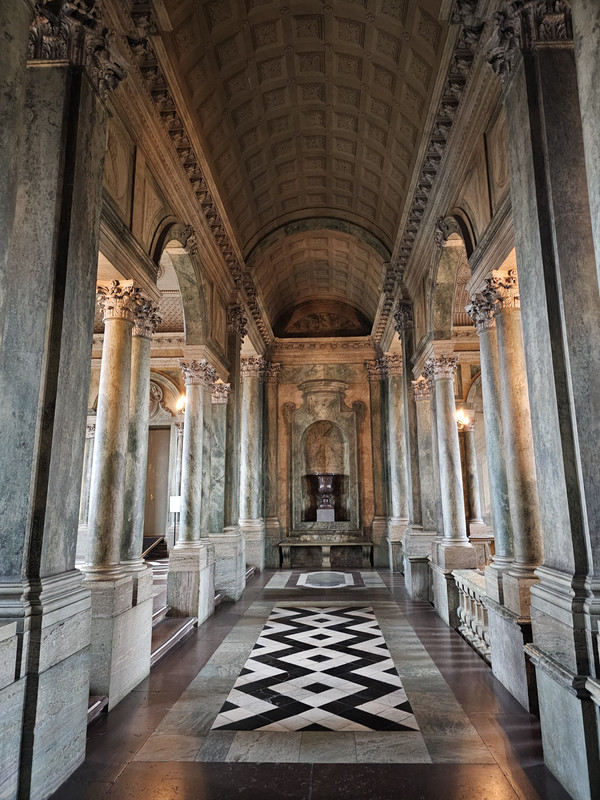
After a quick snack for lunch we walked around Gamla Stan (the old city) some more, and then spent an hour at the Jewish Museum. We did not visit the Great Synagogue of Stockholm as it is a conservative synagogue.
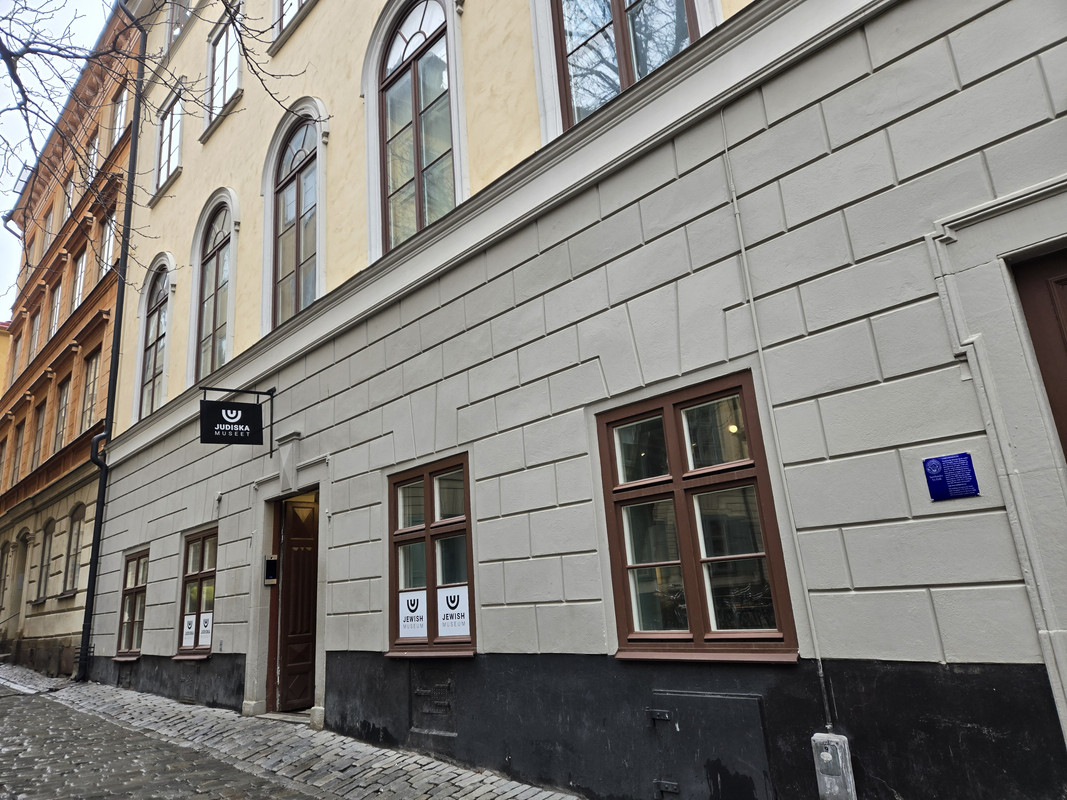
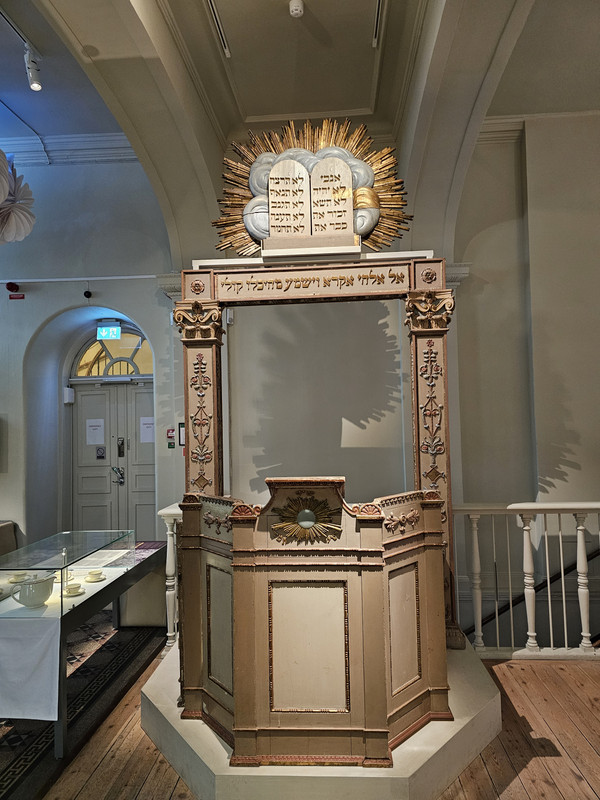
Some Jewish history of Sweden:
In 1685, Charles XI decreed that no Jews were permitted in Sweden. In 1718, Jews were finally permitted to settle in certain areas of Stockholm, and in 1779 they received permission to build a shul. Between 1850 and 1920, there was a large wave of Ashkenazi immigration to Sweden from Russia and Poland, and by 1920, the Jewish population of Sweden had grown to 6,500.
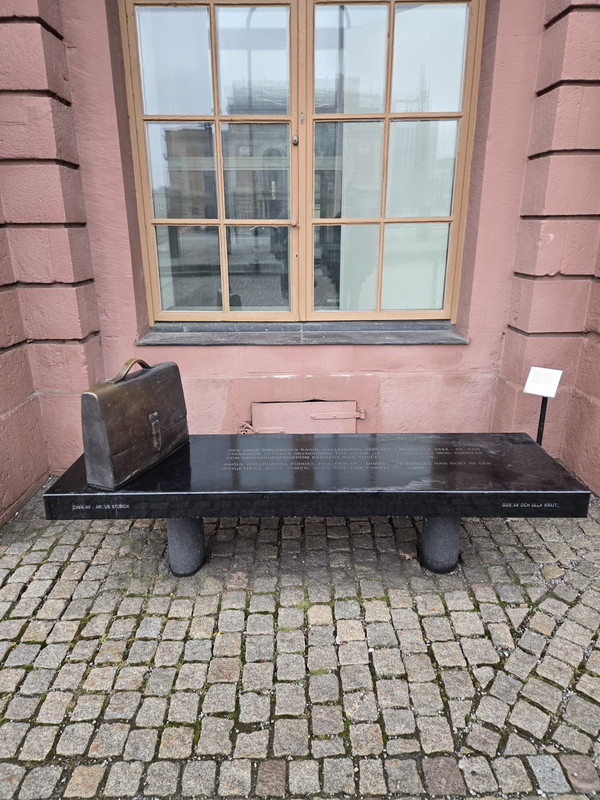
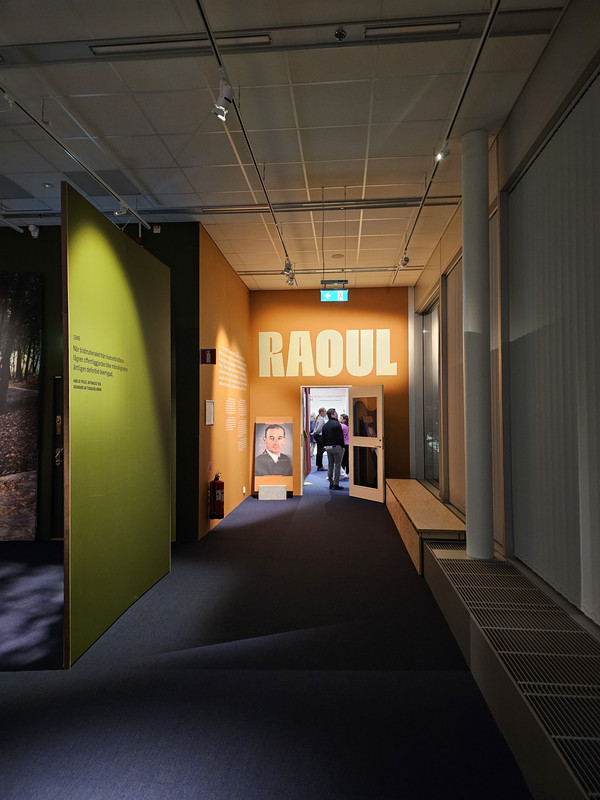
During the pre-war years of Hitler’s power some 3,000 Jews migrated to Sweden to escape Nazi persecution. Because Sweden was neutral during WWII, it helped facilitate the rescue of Jews from Norway and Denmark. Swedish diplomat Raoul Wallenberg also saved thousands of Hungarian Jews in Budapest by providing them with protective passports. He also rented thirty-two buildings, funded by the United States, and declared them Swedish diplomatic facilities, thus bringing them under protection of diplomatic immunity.
Lidingö, a town near Stockholm, hosted a girls school run by Rav Shlomo Wolbeafter the holocaust.
Today there are ~20,000 Jews in Sweden.
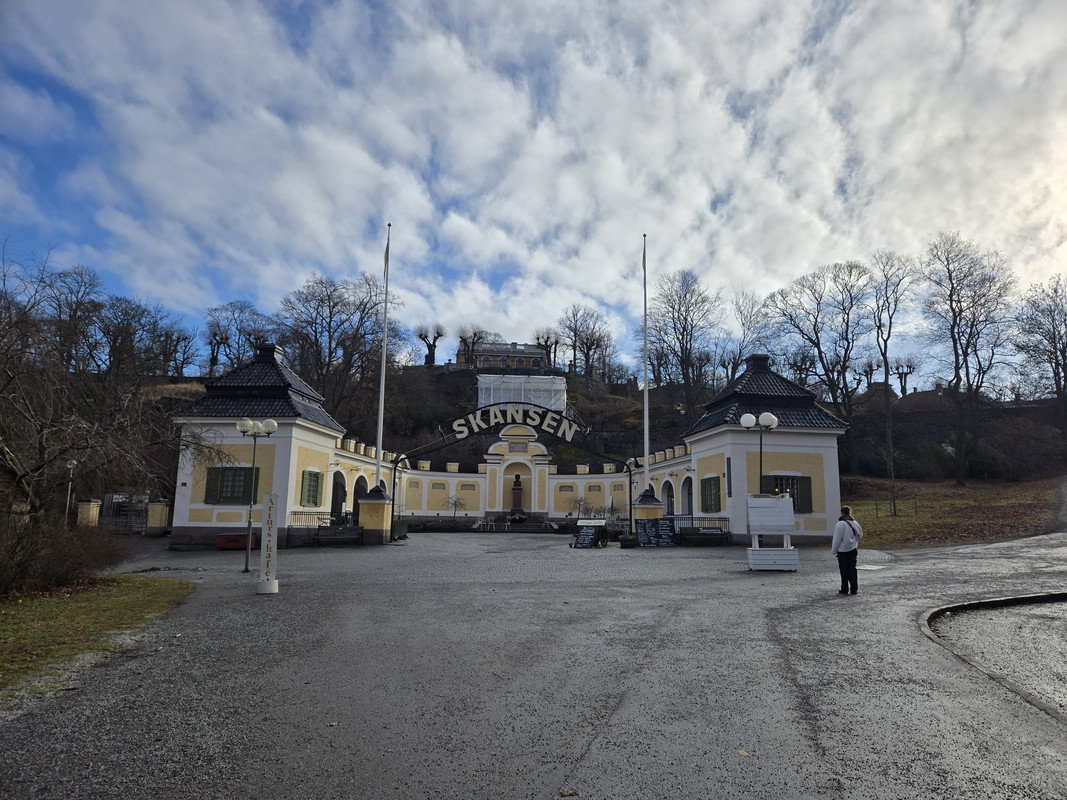
Wednesday morning, our last full day in Stockholm, we proceeded to walk around Gamla Stan some more, before proceeding to Djurgården, Stockholm’s museum island, which boasts 20+ museums. (Yes, we walked everywhere in Stockholm… They have a great public transport system, but we preferred to get some exercise done while we were at it…). We had originally set on visiting the Vasa Museum, a 17th-century warship that sank on its maiden voyage in 1628 and was salvaged and restored, but after hearing many recommendations for Skansen, we decided to head there instead.
Skansen is the oldest open air museum in the world, and details a typical Swede’s way of life in different parts of Sweden before and during the industrial era. They also have a zoo with various native animals, as well as an aquarium. We ended up spending a full day here, and really enjoyed.
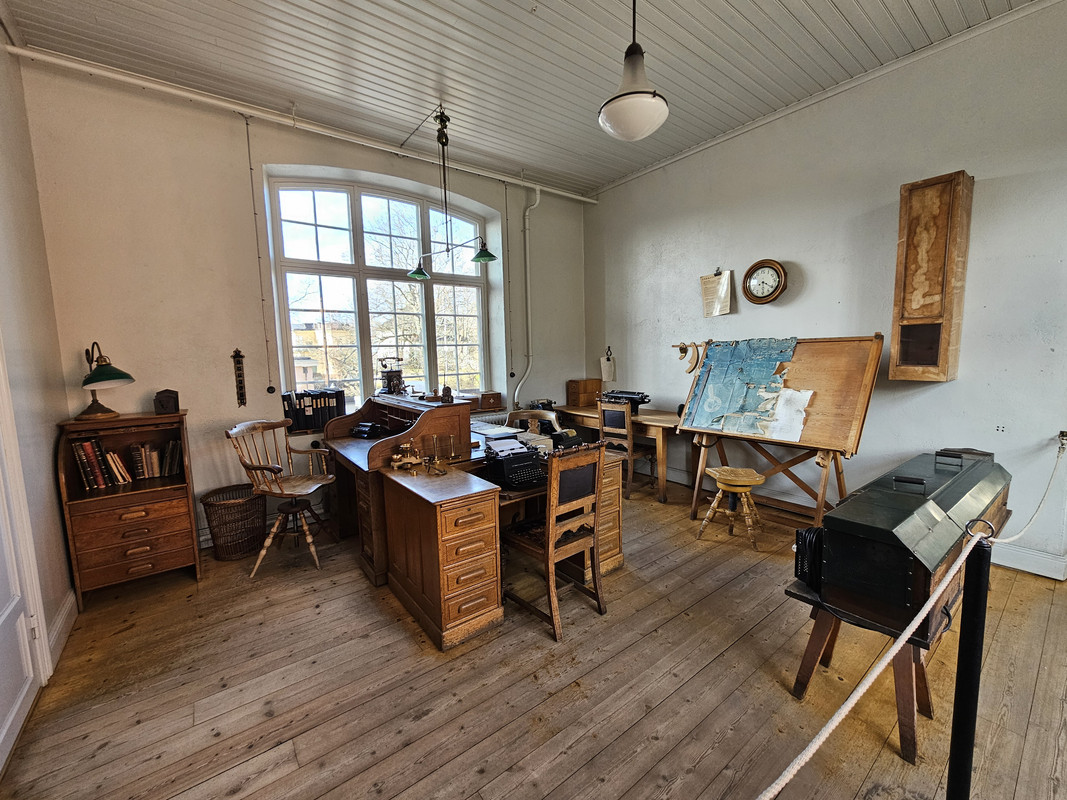
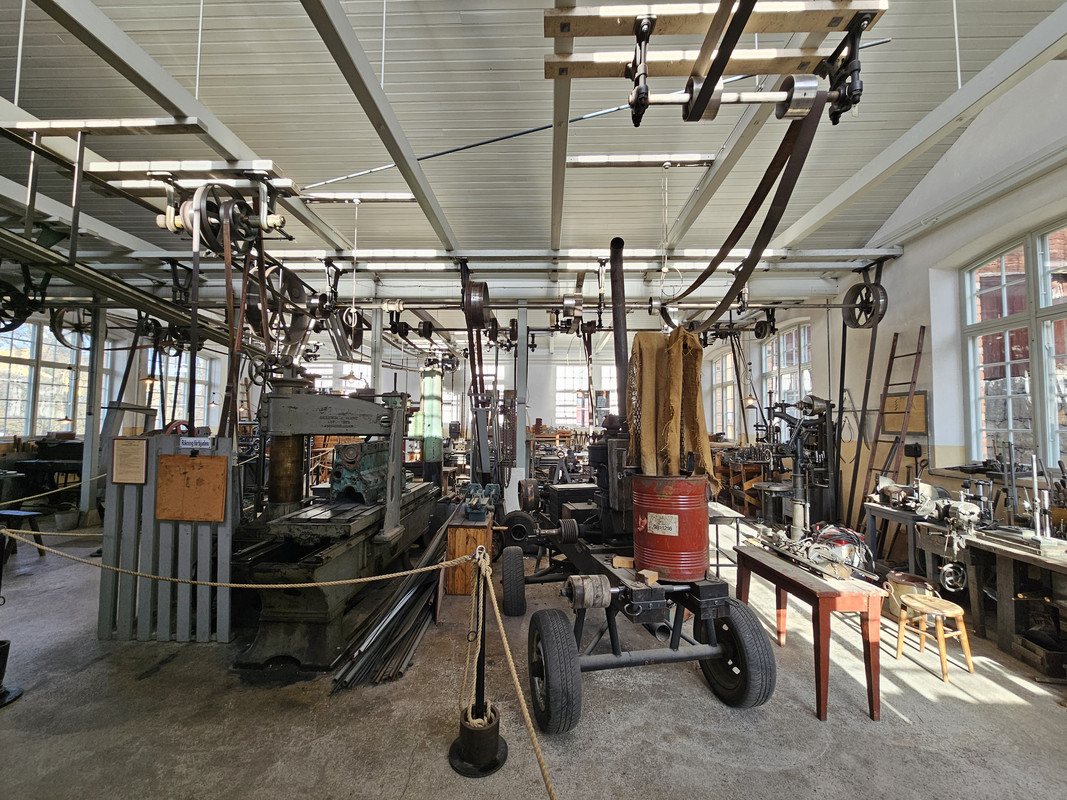
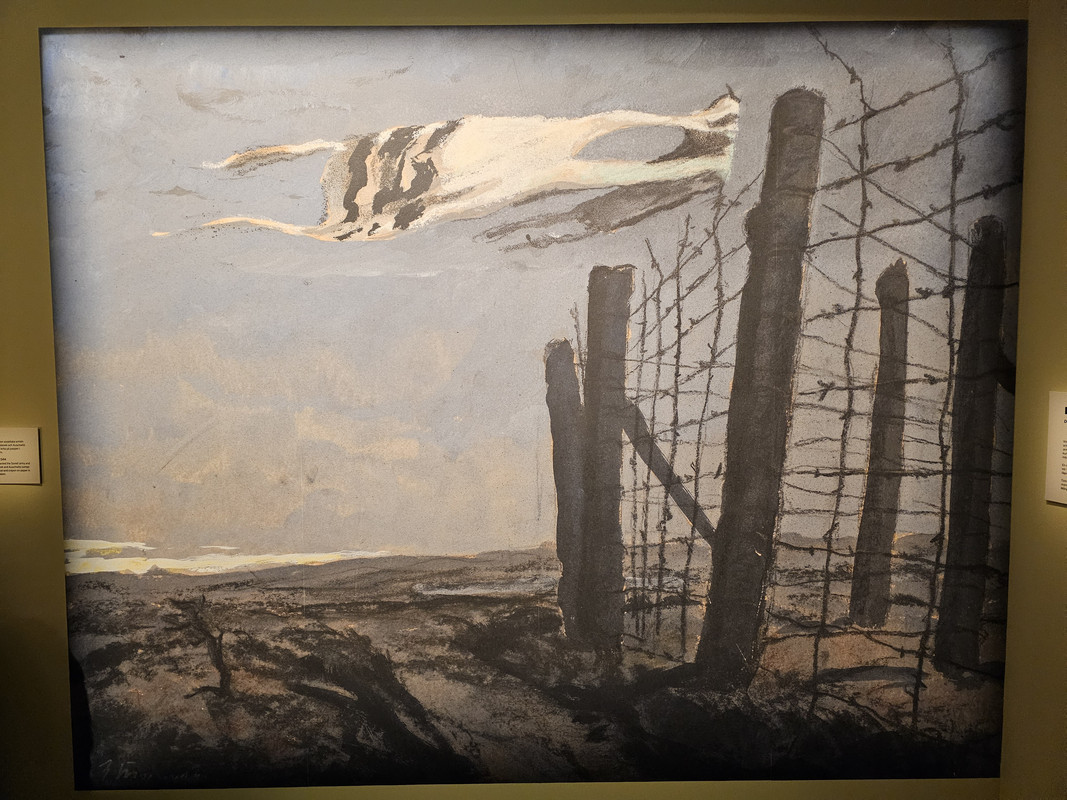
After walking back to the hotel, resting up and eating dinner, we walked to the Holocaust Museum. They had a fascinating exhibit on Raoul Wallenberg, the Swedish diplomat who saved thousands of Jews during the holocaust. The museum closes late on Wednesdays, but even so we were the last ones out… unfortunately that was the last day for the Raoul Wallenberg exhibit, but I’m sure it was replaced by something interesting as well.
The next morning, we were up hours before dawn to catch the 5AM fast-train to Copenhagen. The main incentive for taking such an early train was that it was over 50% cheaper than later trains- additionally it also gave us more time to explore Copenhagen. While the train ride was supposed to take no more than 4.5 hours (driving would’ve taken closer to 7 hours) there were various slowdowns and we arrived 40 minutes later than scheduled. At top speeds the train hit 200kmh, which was pretty cool.
Stockholm has many more points of interest, including Stockholm City Hall, Nobel Prize Museum, Royal Armory, Swedish History Museum, Vasa Museum, Nordic Museum, Abba Museum, Fotografiska, as well as the largest Ikea worldwide. There are also pleasant day trips you can take such as Vaxholm and Uppsala.
Denmark
Denmark is part of the EU. Currency- Danish krona.
Denmark’s Kosher List
Upon arrival at the central station in Copenhagen we headed across the street to the Villa Copenhagen hotel, where we were booked for the night. The room wasn’t ready at the time, so we headed to the Jewish Museum instead. It’s small and basic, and we completed the circuit in 45 minutes. (The Chabad Rabbi informed us later on that most visitors enjoy the Resistance Museum a lot more).
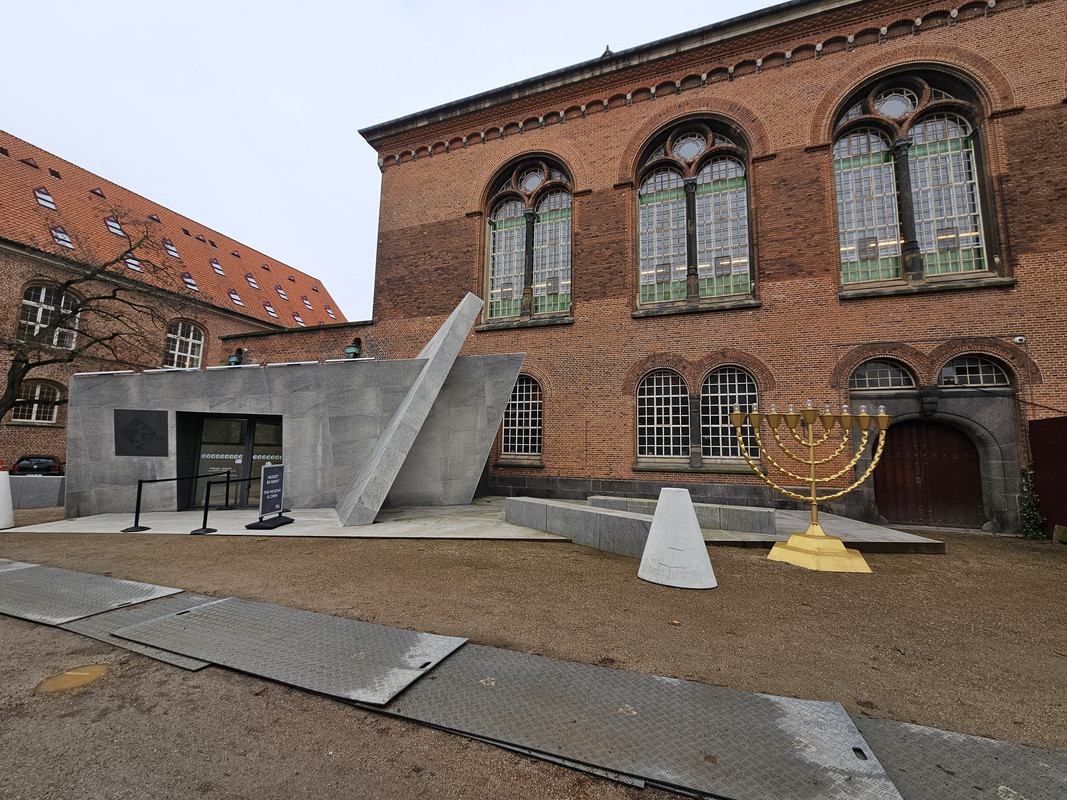
Some Jewish history of Denmark:
The history of Jews in Denmark goes back to the 1600s, although there were likely Jews there as far back as the Middle Ages.
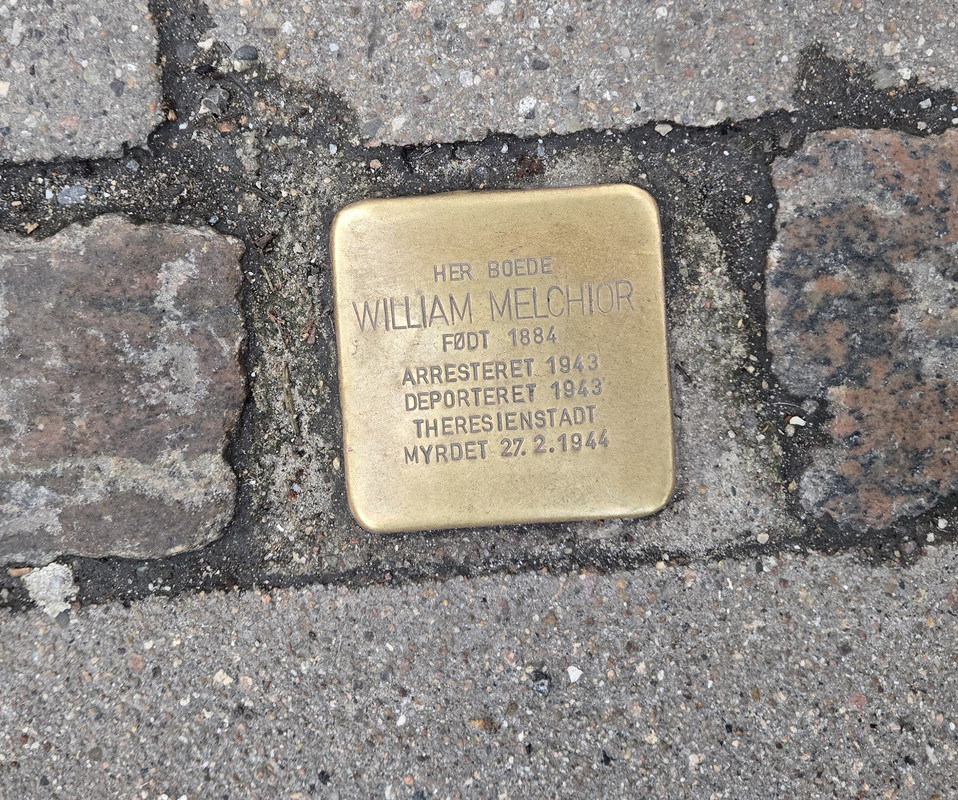
The Germans occupied Denmark in 1940, but due to pressure from the Danish government, they did not round up the Jews. In October 1943 the Germans decided to abolish their lenient policies, but their plan was leaked and the Danish resistance helped nearly all Jews escape to Sweden via sea. 472 Jews did not escape to Sweden and were rounded up and deported to Theresienstadt- under pressure by the Danish government, the Nazis did not deport those Jews to Auschwitz- 51 of them died in Theresienstadt, while the rest returned to Denmark after the war.
The building that houses the Chabad house today was a Nazi base during the war- netzach yisrael lo yishaker!
There are ~6,000 Jews in Denmark today.
We returned to the hotel at 1PM, and at that point our room was ready- similar to Stockholm the room was small, yet modern.
Next, we headed out for a free 2.5 hour walking tour of Copenhagen. The guide was great, and we thoroughly enjoyed.
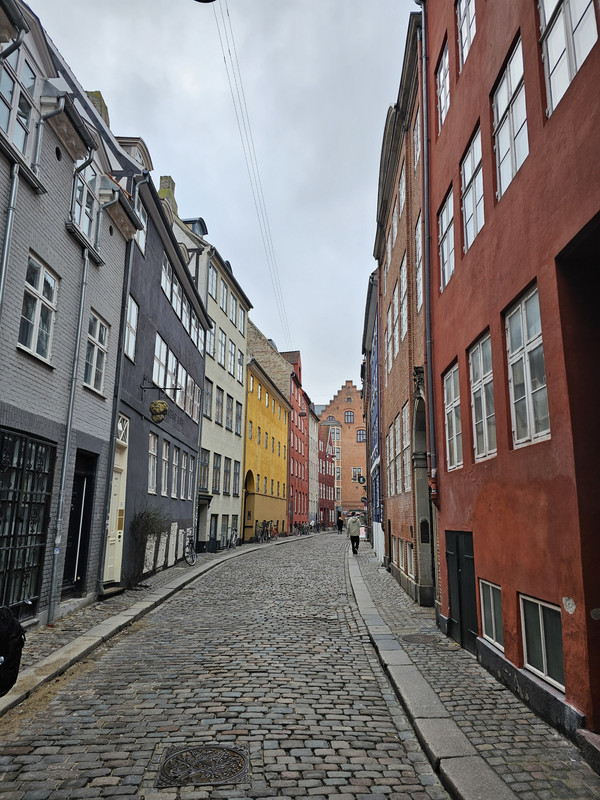
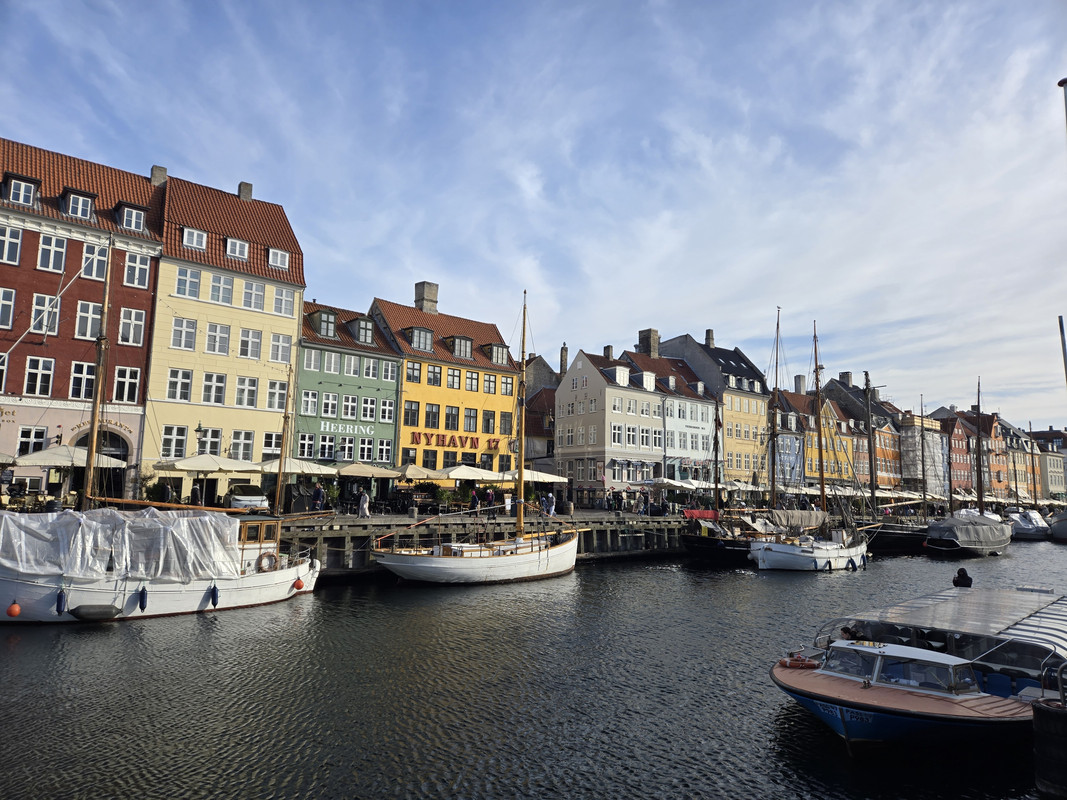
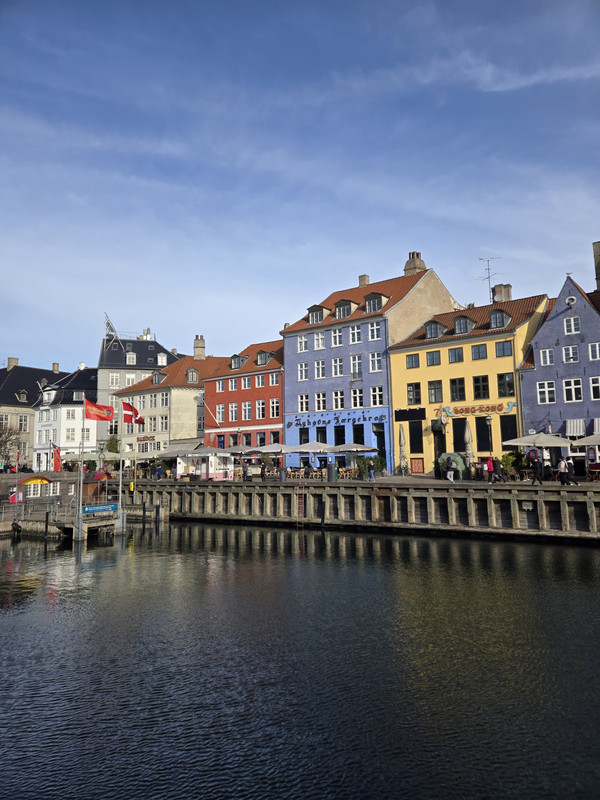
Streets of Copenhagen:
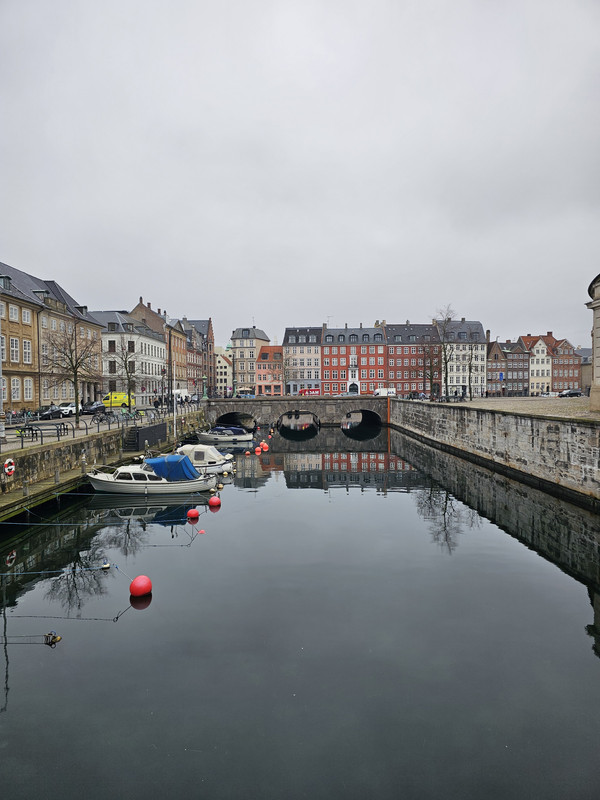
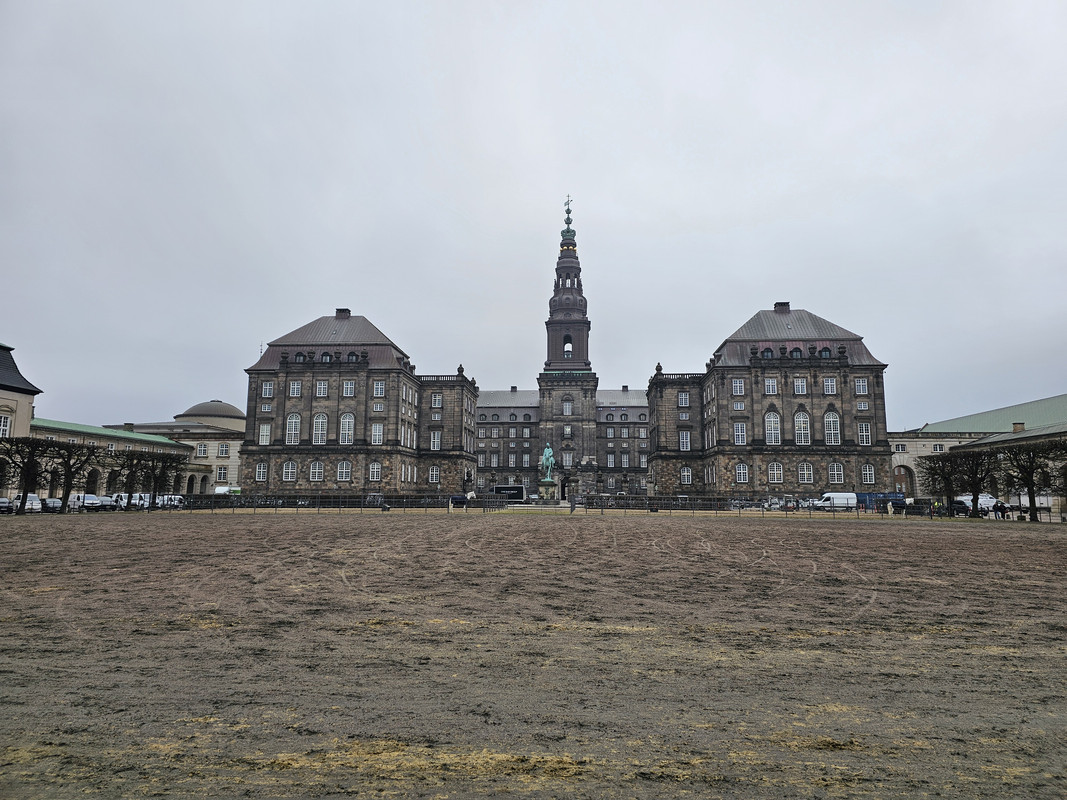
Nyahvn waterfront canal:
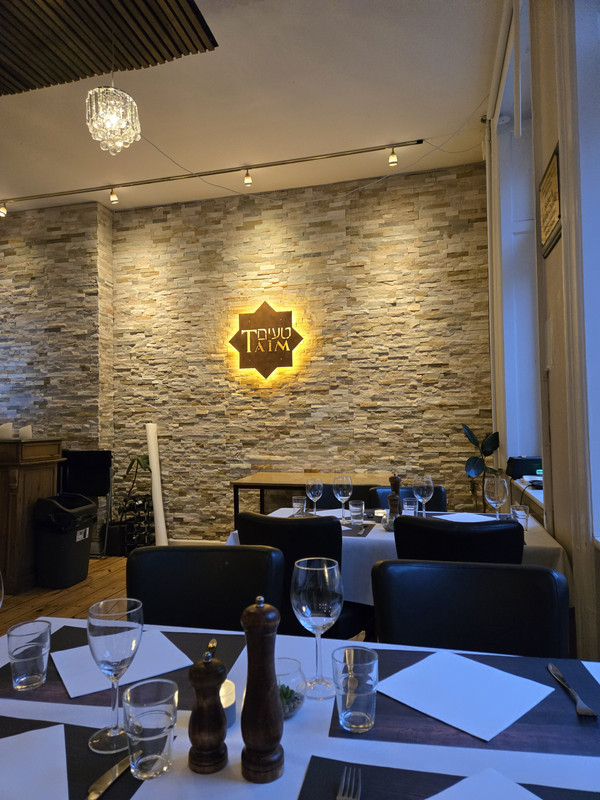
After a long tiring day, we headed to Taim Restaurant, located in the Chabad house, for some delicious food.
The next morning, Friday, we checked out of Villa Copenhagen, and checked into the hotel we’d be staying at for Shabbos, Hotel SKT. Annæ, located 25 minutes from Chabad. The hotel is bookable via Hyatt points through Mr. and Mrs. Smith, but since the cash rate wasn’t that high, it was cheaper to book utilizing Chase UR points.
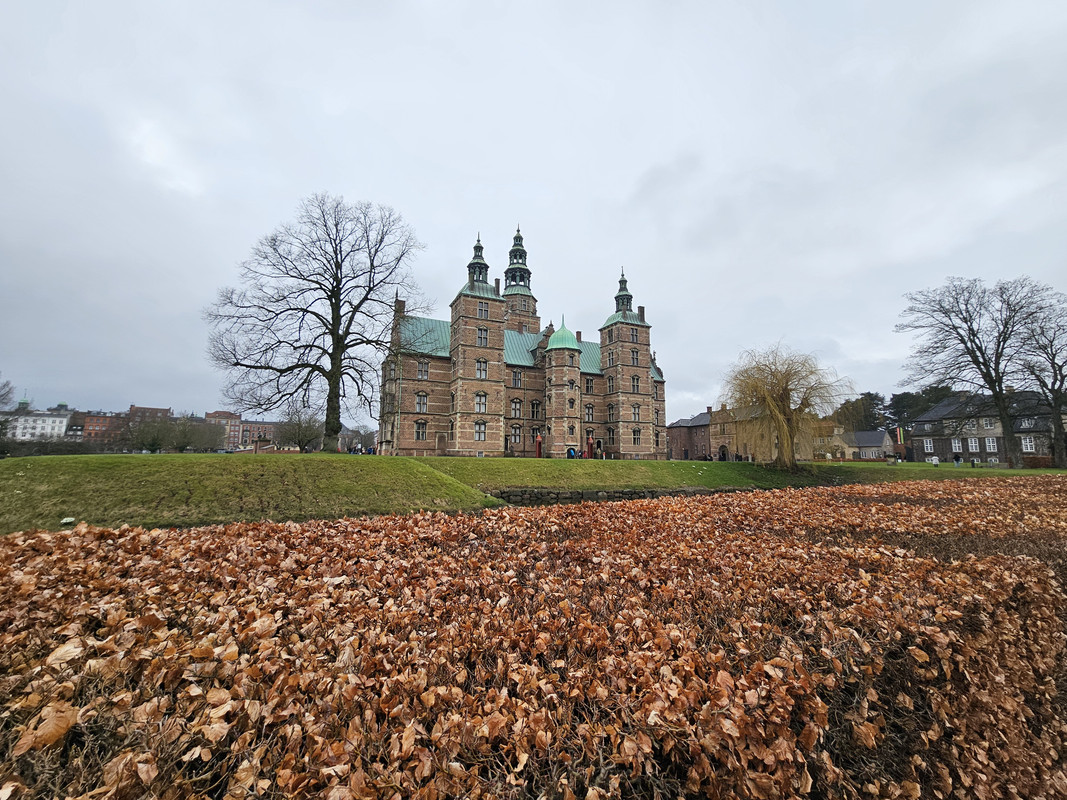
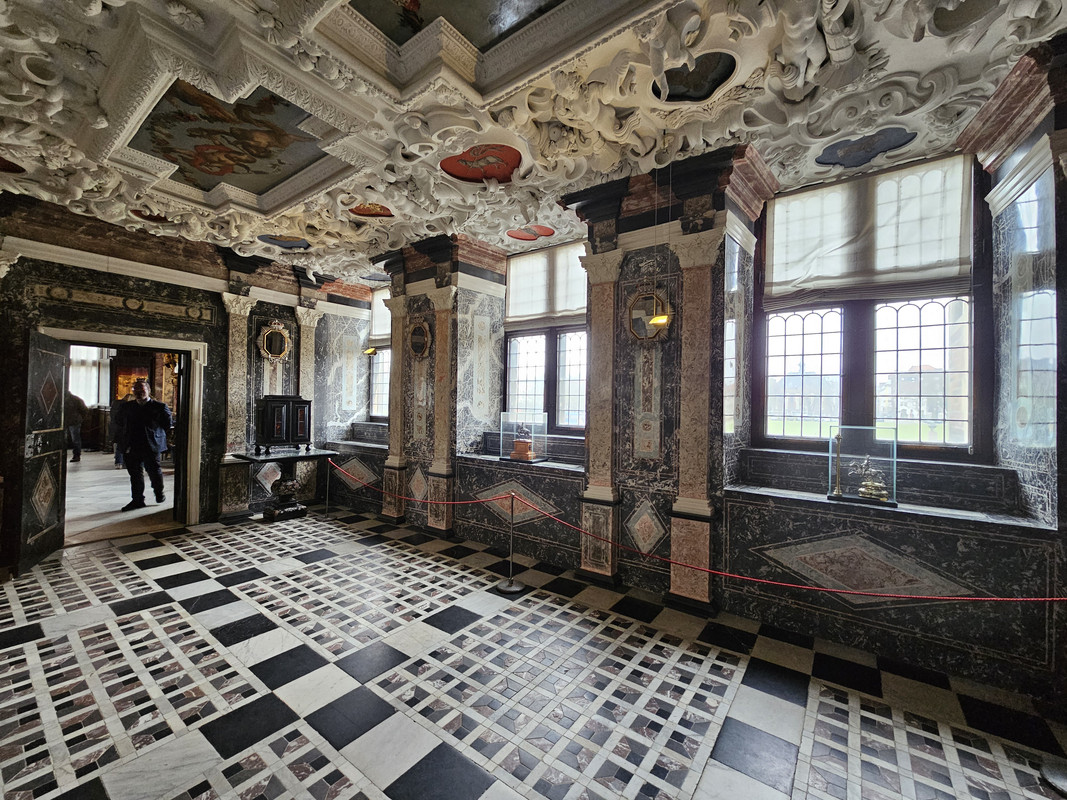
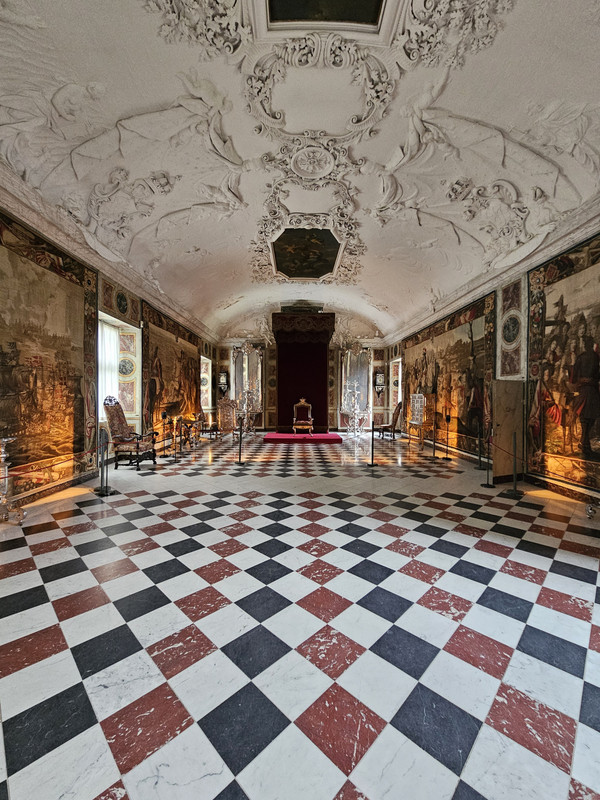
After dropping off our bags, we headed to Rosenberg Castle where we spent two hours admiring the various castle rooms and jewels.
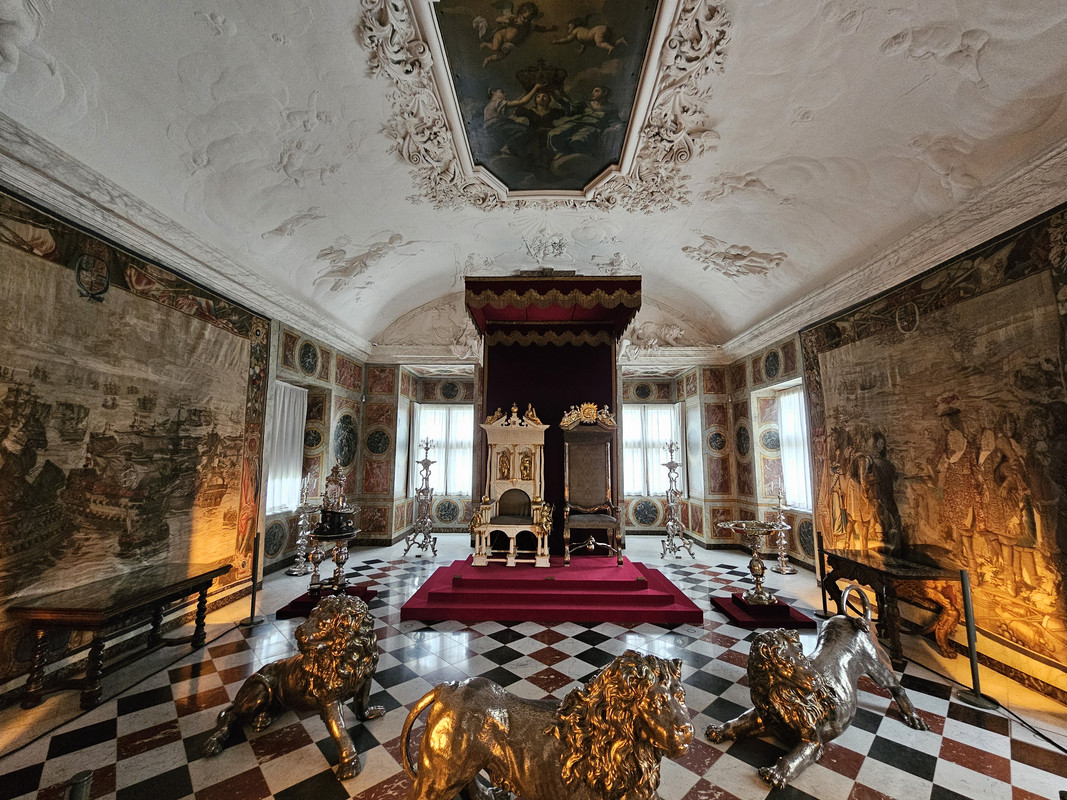
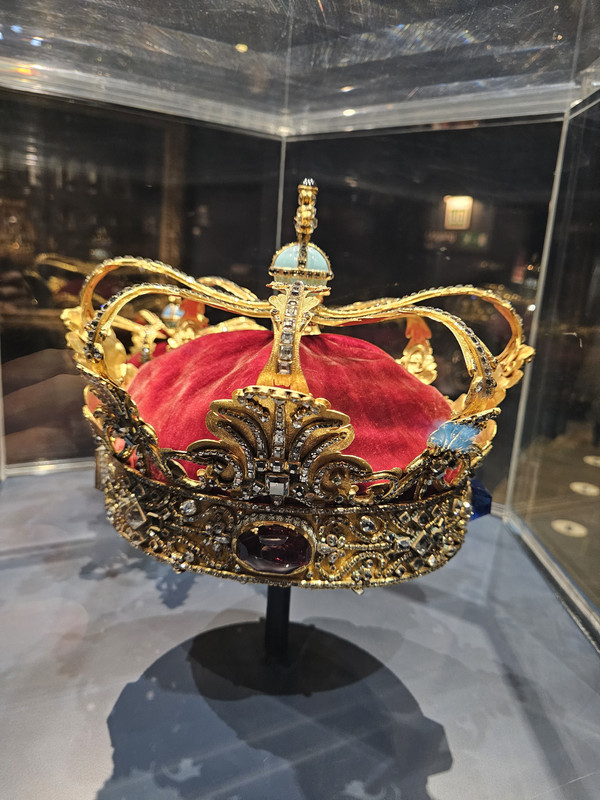
We then walked via Storgen (a busy pedestrian-only shopping street) to a lego store, to explore a bit. (Can’t really visit Denmark without seeing some lego, can you?).
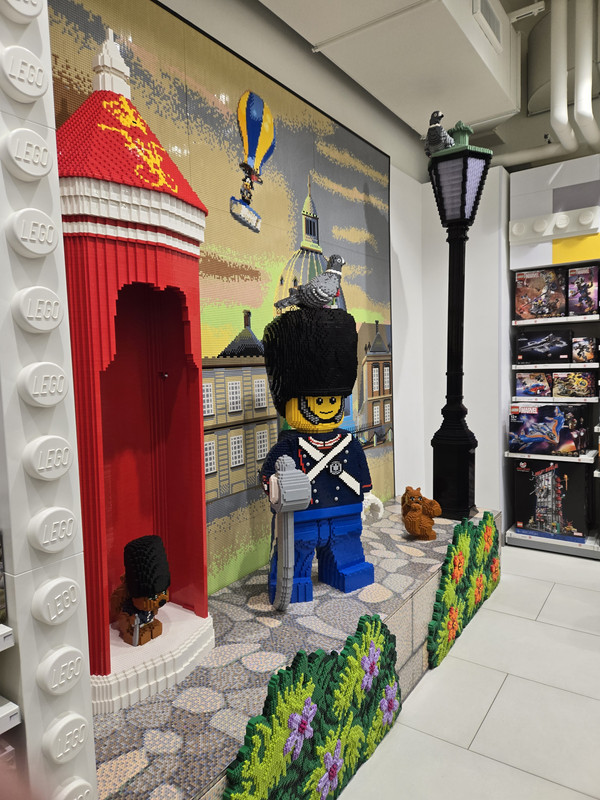
Along our walk on Friday we noticed that a huge percent of people use bikes to get around, and bikes are left unchained and unattended when not in use- fascinating!
Shabbos was a beautiful and uplifting experience at Chabad of Copenhagen- we sang, schmoozed, and had an all-around amazing time.
On Sunday we purchased a Copenhagen Card, which includes public transport, as well as entry to various museums. We had not purchased this earlier since buying a 3 or 4 day card didn’t make financial sense, with Shabbos taking up one day, and Thursday and Friday spent doing some things not covered by the card. On Sunday we were planning on doing things out of the city which added public transport expenses, plus more expensive attractions, and we could activate the card late enough so that the 24-hours would expire the next day after we had utilized it to transport to the airport.
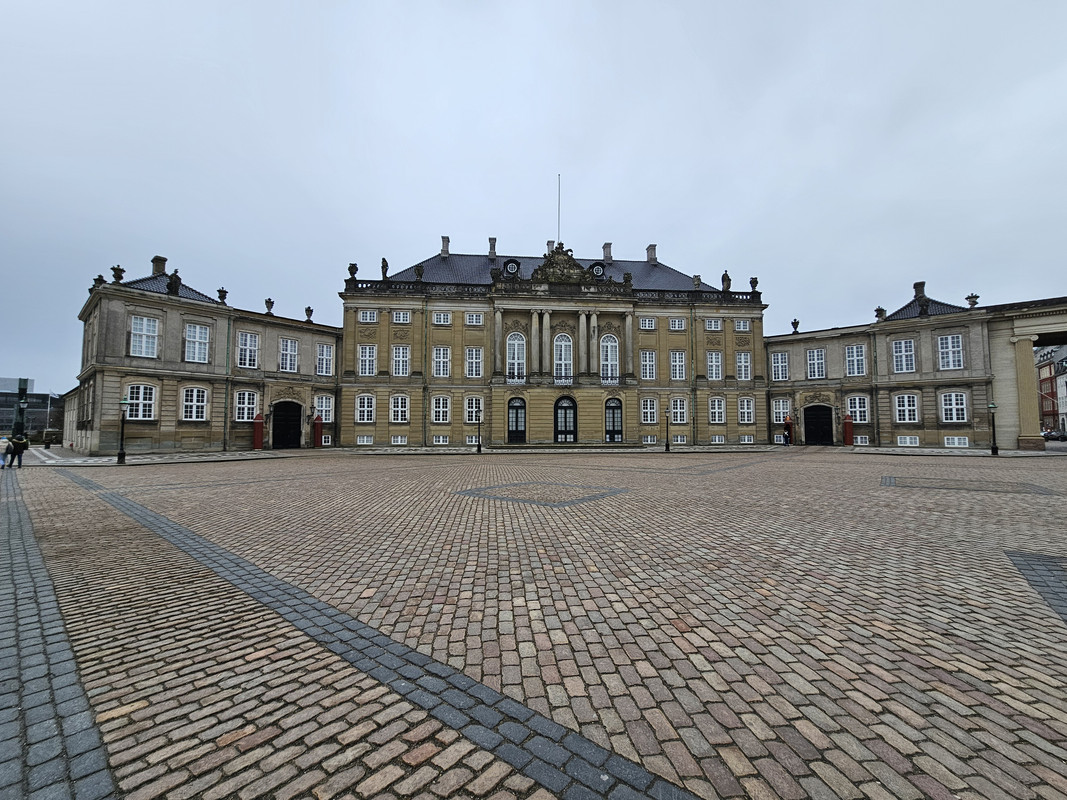
As we were leaving the hotel we bumped into royal guards marching between two of the king’s palaces.
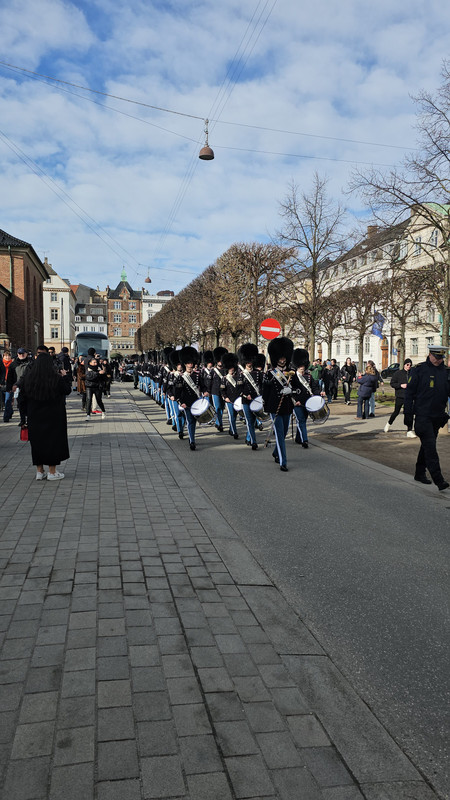
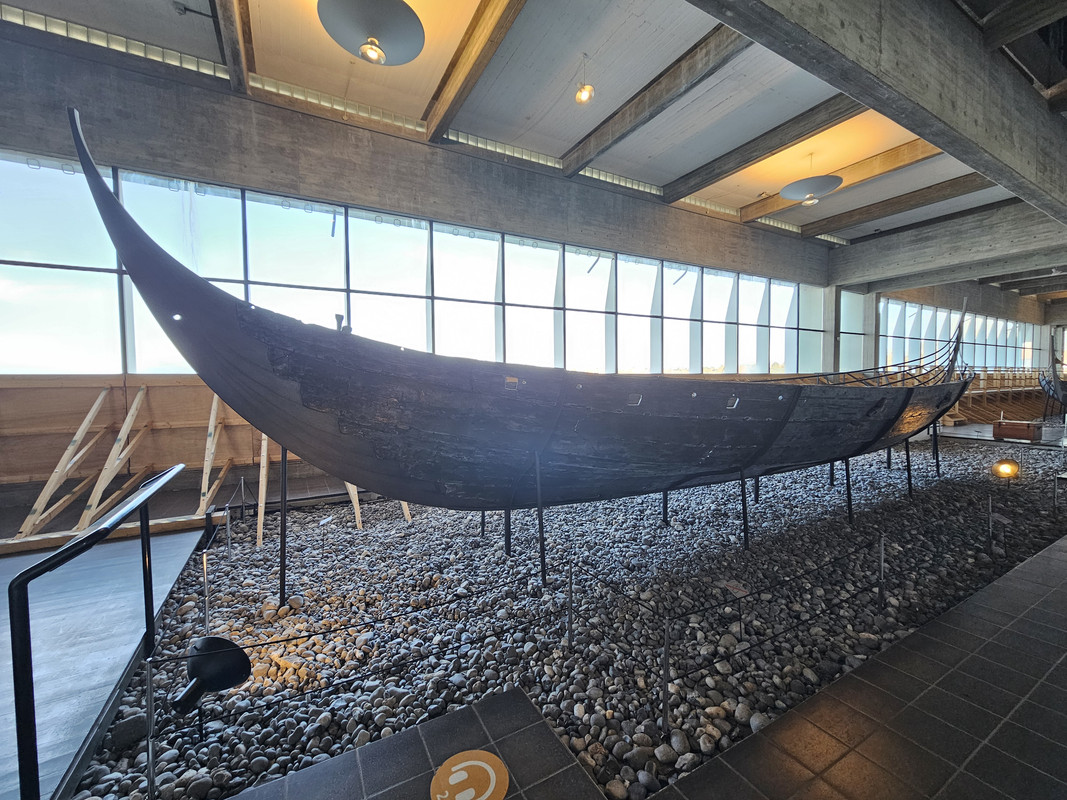
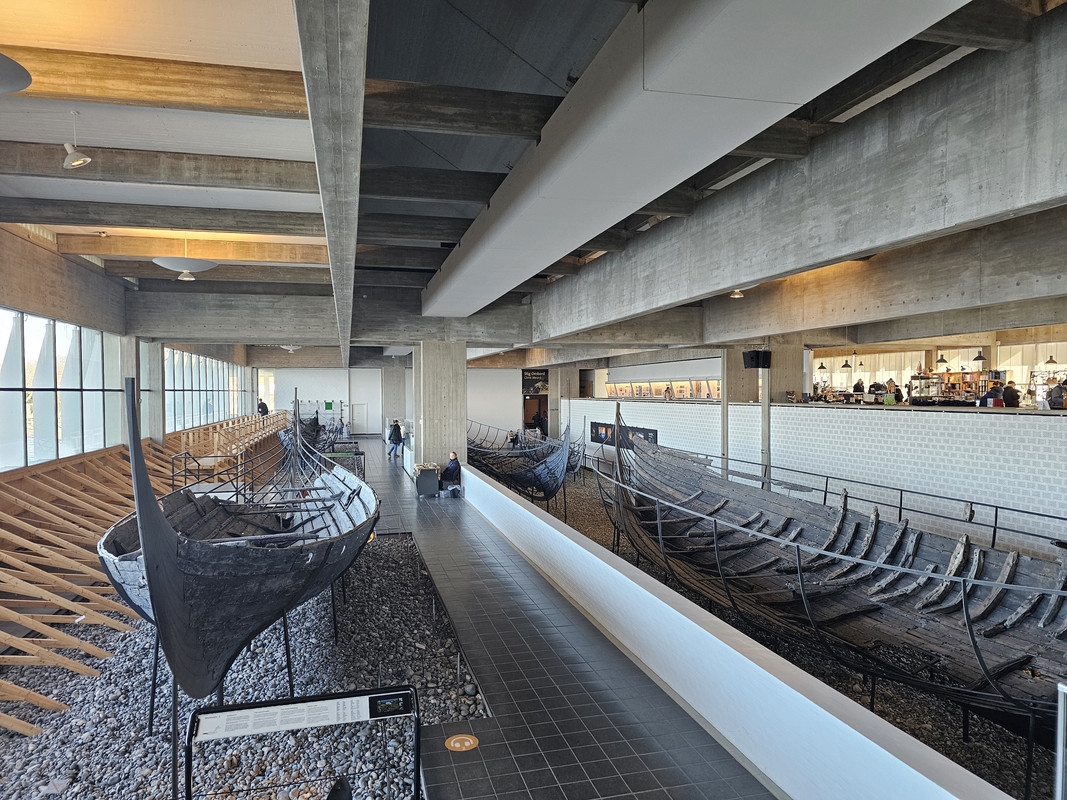
Our first stop on Sunday was to the Viking Ship Museum, located about an hour east of the city. We spent some time struggling to find the right train line as there are local trains, regional trains, and S trains.
We spent a good 2 hours at the museum, and while we expected more of a deep dive into Viking history, this was not the case (99% was about the ships), yet we still enjoyed.
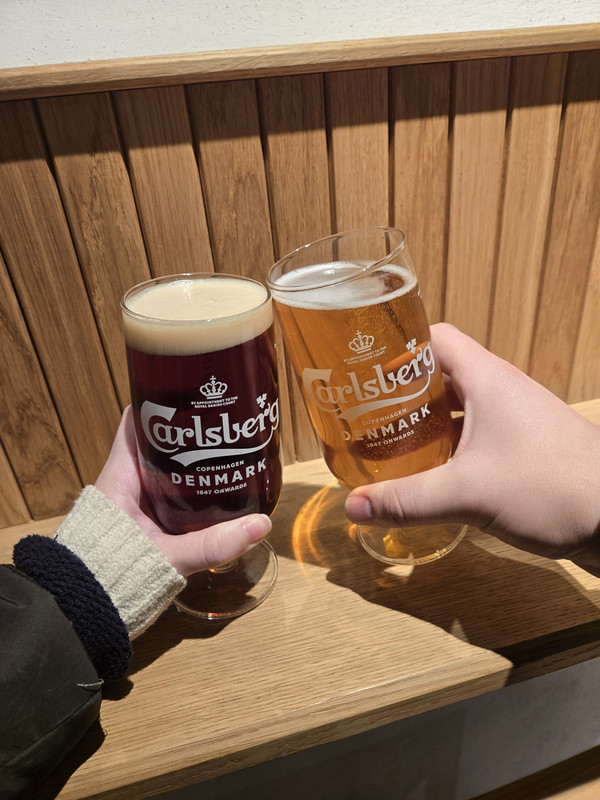
At 3PM we noticed that the last possible reservation for the Carlesburg brewery was at 3:45PM, and that transport from Roskilde, where the Viking ships are, to Carlesburg takes an hour. We decided to make a run for it (literally), and arrived at 4:15PM. Thankfully we were able to scan our tickets at the automatic intake machine and receive our tour wristbands- yay! We had to rush a bit to get through the museum and exhibits by 5:30PM, but it was incredibly fascinating, and included a hands-on exhibit on mixing various hops with various grains to get different flavors. I would definitely recommend giving yourself at least two hours here.
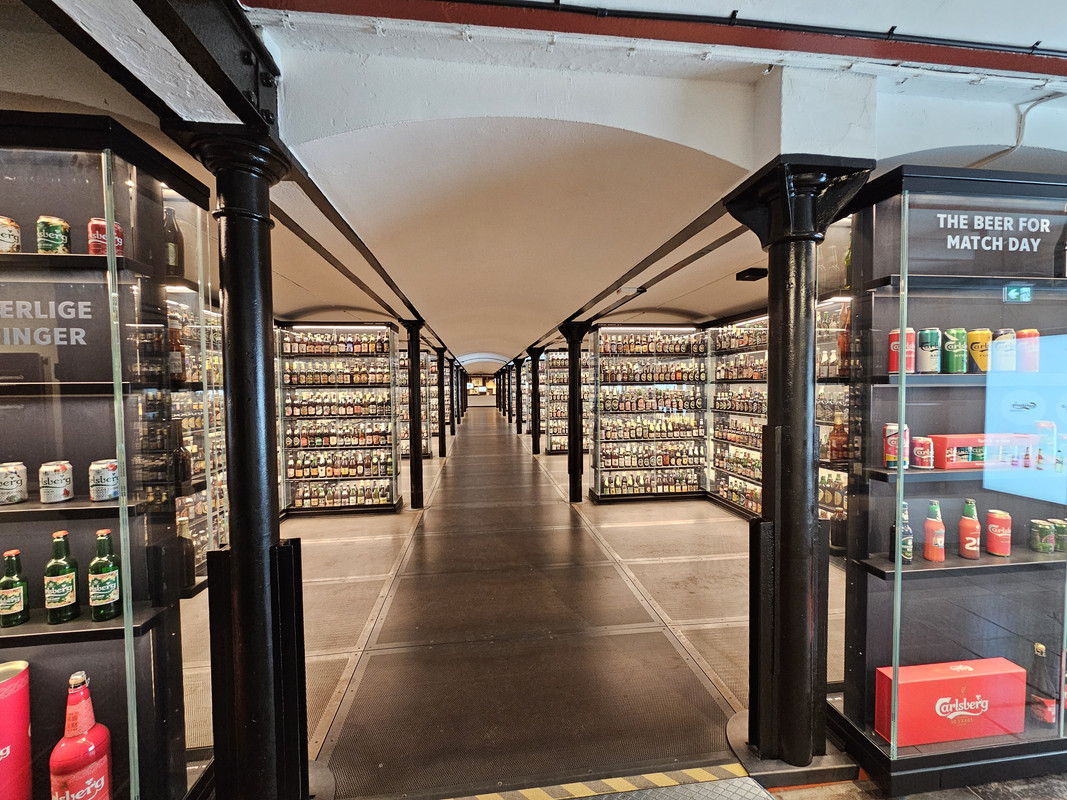
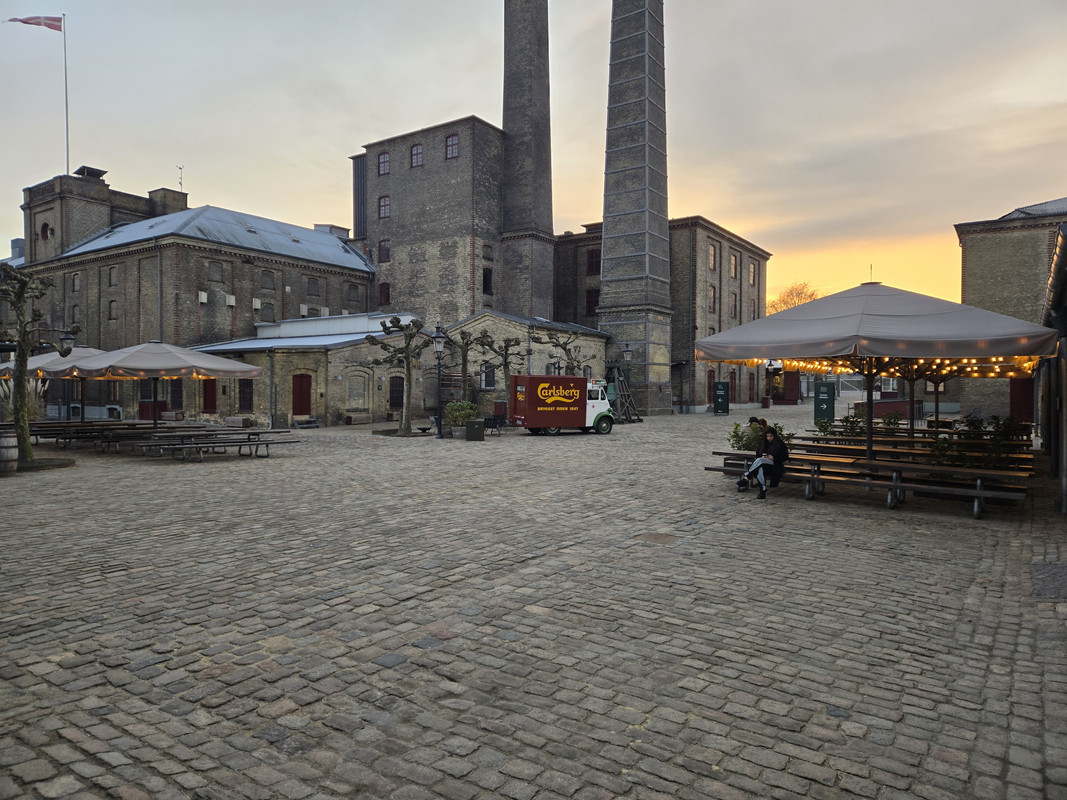
At 5:30PM we headed to the bar for our free drinks (included with admission), and relaxed a bit after a long day.
Denmark has many more points of interest, including The Great Synagogue, The Round Tower, National Museum of Denmark, Museum of Copenhagen, Slotsholmen/ Castle Island, The War Museum, Botanical Gardens, Tivoli Gardens, Legoland, Christiania Neighborhood, Museum of Danish Resistance, Kastellet Fortress, and lots of palaces.
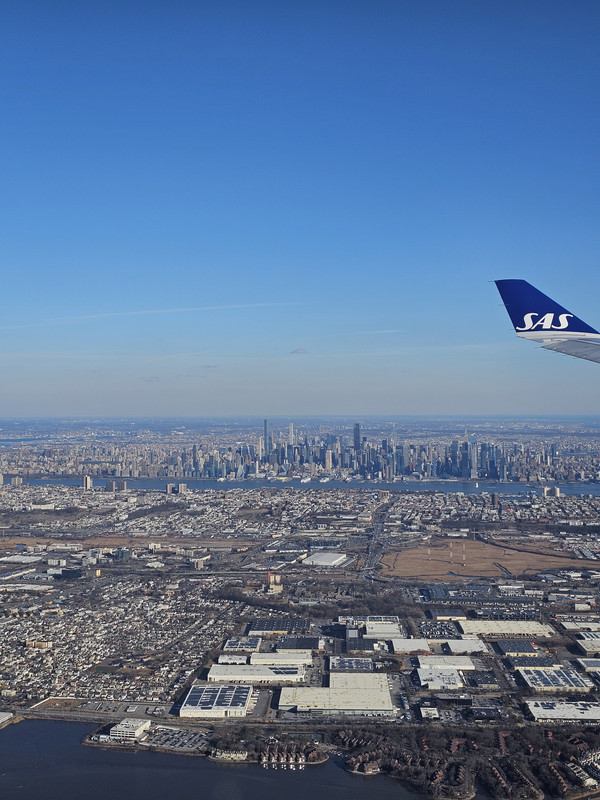
After another great dinner at Taim Restaurant, we headed back to our hotel for the final night of this amazing and informative trip. The next morning we took the train to the airport, breezed through security and immigration, passed the secondary check for flights headed to the US, and settled in for the flight home.
I hope you enjoyed this trip report!

Did you enjoy this article?
3
0